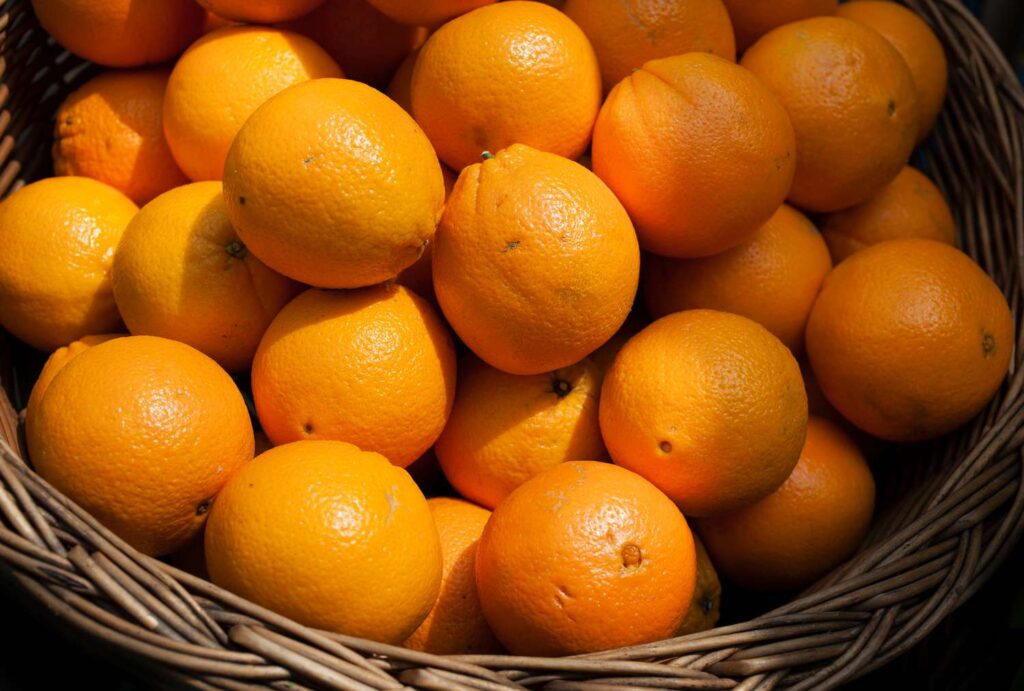
Oranges are among the most popular fruits because they are sweet, refreshing, and rich in nutrients. Eating oranges regularly can support overall health when they are included as part of a balanced diet. A single fruit contains vitamins, minerals, water, and plant compounds that benefit the body in different ways.
One noticeable benefit is improved immune support. Oranges are rich in vitamin C, which helps the body maintain normal immune function. Vitamin C also supports the repair of body tissues and helps the body respond to everyday stress and illness.
Eating oranges daily may also support healthier skin. The vitamin C found in oranges helps the body produce collagen, a protein that supports skin structure. Good collagen production may help the skin look healthier and maintain elasticity over time.
Oranges can also support digestion. They contain dietary fiber, especially when eaten whole instead of drinking only juice. Fiber helps movement in the digestive system and may reduce the chances of constipation. It can also help a person feel full for longer.
Another benefit is better hydration. Oranges contain a high amount of water, which contributes to daily fluid intake. Staying hydrated supports body functions including circulation, temperature control, and energy levels.

Regular orange consumption may also support heart health. Oranges provide potassium, a mineral that helps maintain normal blood pressure levels. Their fiber content may also support healthy cholesterol balance when combined with healthy eating habits.
For people trying to manage weight, oranges can be a useful snack choice. They are naturally sweet and may reduce the desire for highly processed sugary foods. Their fiber and water content can increase satisfaction after eating.
However, eating too many oranges may not be ideal for everyone. Excess intake may cause stomach discomfort in some people because of the fruit’s natural acidity.
Adding one orange a day to a balanced diet can be a simple way to enjoy nutrients and support overall health.