
How often a person urinates varies based on factors such as fluid intake, age, medications, and overall health. However, if you notice a persistent increase in urination, especially when accompanied by other symptoms, it may be worth discussing with a healthcare professional.
1. Urinary Tract Infection (UTI)
A urinary tract infection can cause a frequent urge to urinate, burning during urination, pelvic discomfort, and cloudy or strong-smelling urine.
2. Diabetes
Both type 1 and type 2 diabetes can lead to frequent urination, particularly when blood sugar levels are high. Other symptoms may include increased thirst, fatigue, and unexplained weight loss.

3. Overactive Bladder
An overactive bladder may cause a sudden, difficult-to-control urge to urinate, frequent daytime urination, and waking up at night to urinate.
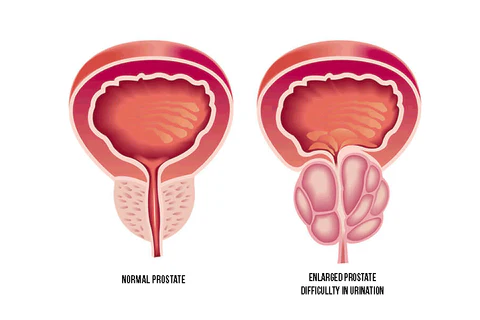
4. Enlarged Prostate (in Men)
An enlarged prostate can press against the urethra, making it difficult to empty the bladder completely and leading to frequent urination, especially at night.
5. Kidney or Bladder Conditions
Certain kidney or bladder disorders may contribute to changes in urination patterns. Persistent symptoms should be evaluated by a healthcare professional.
Final Thoughts
Frequent urination does not always indicate a medical problem. Drinking more fluids, consuming caffeine or alcohol, pregnancy, and some medications can also increase how often you urinate. If frequent urination is persistent, disrupts your daily life, or is accompanied by pain, blood in the urine, fever, or excessive thirst, seek medical advice.