

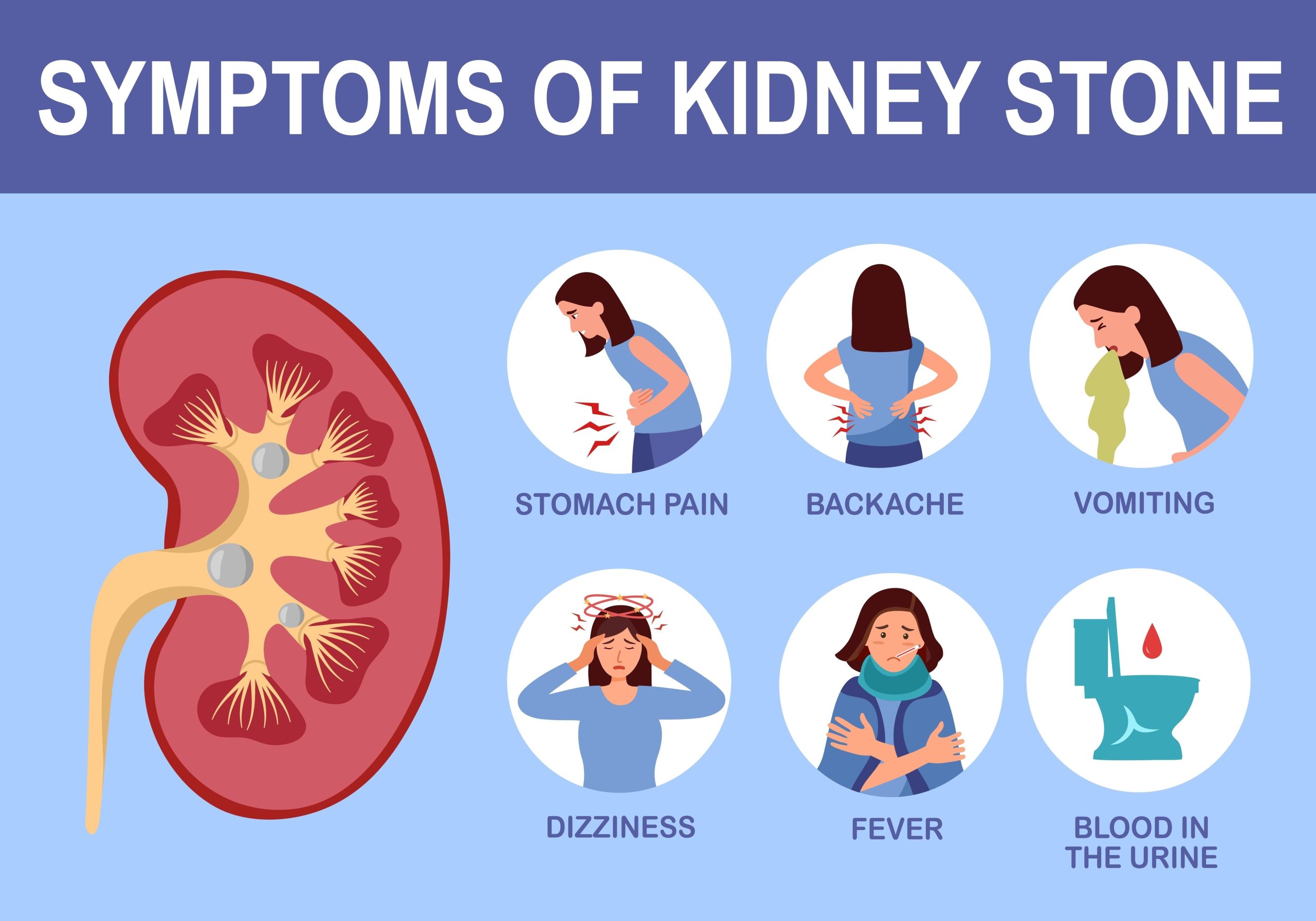
Urine blockage happens when urine cannot flow normally from the bladder out of the body. This can become a serious medical problem if ignored because it may lead to pain, infections, bladder damage, or kidney problems. While not every case can be prevented, some daily habits may reduce the risk.....Continue Reading Full Details Here.
1. Holding Urine for Too Long
Many people delay going to the toilet because of work, travel, or convenience. Doing this often can place pressure on the bladder and may increase discomfort or raise the chance of urinary problems. It is healthier to empty the bladder when the urge becomes clear.

2. Drinking Too Little Water
Poor hydration can make urine more concentrated. Concentrated urine may contribute to irritation and, in some people, increase the risk of forming urinary stones that can interfere with urine flow. Drinking enough water supports normal urinary function.
3. Ignoring Early Symptoms

Pain during urination, weak urine flow, difficulty starting, lower abdominal discomfort, or feeling that the bladder is not fully empty should not be ignored. Early medical attention may help identify problems before they become more serious.
4. Using Medicines Without Guidance
Some medications can affect bladder function in certain people. Taking medicines carelessly or for long periods without proper advice may increase the risk of urinary difficulties. Follow instructions and speak with a healthcare professional if symptoms appear.
5. Neglecting General Health Habits
Poor diet, limited physical activity, and untreated health conditions can affect overall urinary health. Regular checkups and healthy daily routines may support the bladder and kidneys.
Urine blockage is not always caused by lifestyle habits. Causes can include enlarged prostate, infections, stones, nerve conditions, or other medical issues. Seek medical care urgently if someone cannot pass urine at all, has severe pain, fever, or swelling. Early treatment can help prevent complications.
