

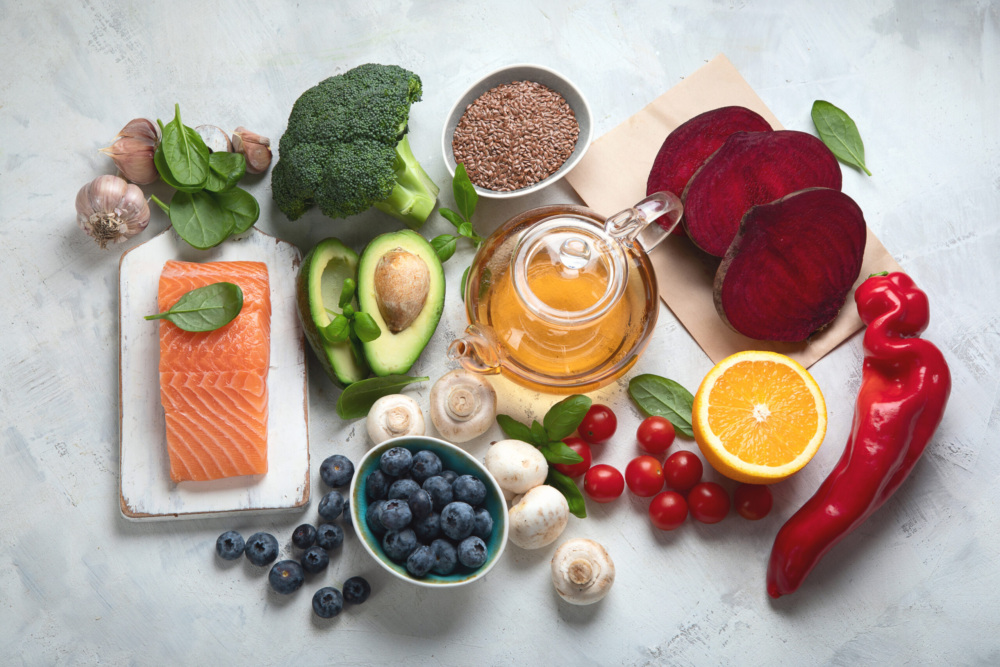
Food is not a magic cure for cancer, but a healthy diet can play an important role in supporting overall health and potentially reducing the risk of some diseases. Researchers have identified several foods rich in antioxidants, fiber, vitamins, minerals, and other natural compounds that may offer protective benefits.
Here are five foods often associated with cancer-fighting properties.
1. Broccoli

Broccoli belongs to the cruciferous vegetable family and contains compounds such as sulforaphane. Studies have investigated sulforaphane for its potential role in protecting cells from damage and supporting the body’s natural defense mechanisms. Including broccoli in a balanced diet can therefore be a nutritious choice.
2. Berries
Strawberries, blueberries, raspberries, and blackberries contain antioxidants and plant compounds called polyphenols. These substances help protect cells from oxidative stress. Eating a variety of berries may contribute to a diet that supports long-term health.
3. Tomatoes
Tomatoes are particularly known for lycopene, a powerful antioxidant that gives them their red color. Research has examined lycopene’s possible association with a lower risk of certain cancers, although it should not be considered a treatment. Cooked tomatoes can also provide a useful source of lycopene.
4. Garlic
Garlic contains sulfur-containing compounds that have attracted scientific interest because of their potential biological effects. Regularly using garlic as part of a healthy diet may provide beneficial nutrients and plant compounds while adding flavor without excessive salt or unhealthy fats.
5. Green leafy vegetables
Vegetables such as spinach, kale, and collard greens provide fiber, folate, carotenoids, and numerous vitamins and minerals. Their nutritional richness makes them valuable components of a balanced diet. A diet containing plenty of vegetables is generally associated with better overall health.
The bigger lesson is that no single food can prevent or cure cancer. Cancer develops through complex interactions involving genetics, environment, lifestyle, age, and other factors.
A sensible approach is to build meals around vegetables, fruits, whole grains, legumes, and other minimally processed foods while limiting excessive alcohol, processed meats, highly processed foods, and tobacco exposure.
Ultimately, healthy eating is about consistency rather than searching for one miracle ingredient. These five foods can be useful additions to a varied diet, but they should complement—not replace—medical screening, professional advice, and appropriate cancer treatment.
What are your thoughts? Which of these foods do you regularly include in your meals? Comment and share your ideas.
