
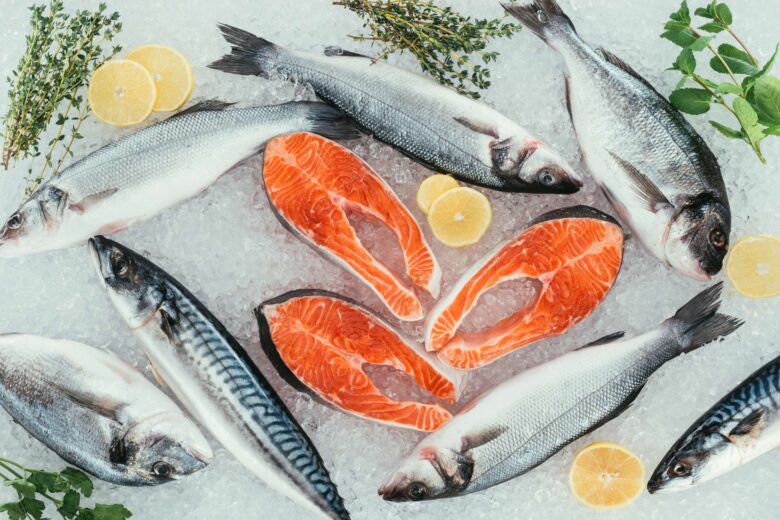
Fish is widely considered a healthy food because it provides protein, vitamins, minerals and beneficial omega-3 fatty acids. However, not every type of fish is equally safe to eat frequently.
Some fish, especially large predatory species, can accumulate high levels of mercury. Eating them regularly may increase mercury exposure, which can affect the nervous system and may be particularly harmful to unborn babies and young children.
Here are five types of fish you should limit or avoid, depending on your age, health status and where the fish comes from.
1. Shark

Sharks are large, long-living predators that eat other fish throughout their lives. Because mercury builds up in the food chain, shark meat can contain high levels of mercury.
Frequent consumption can increase mercury exposure, which may affect the brain and nervous system. Pregnant women and children should be especially careful about eating high-mercury fish.
2. Swordfish
Swordfish is another large predatory fish that can contain high levels of mercury.
Health authorities generally advise pregnant women, breastfeeding mothers and young children to avoid high-mercury fish such as swordfish. Other adults should also limit how often they eat it.
3. King Mackerel
King mackerel should not be confused with Atlantic mackerel, which is generally considered a lower-mercury choice.
Because king mackerel feeds on smaller fish, mercury can accumulate in its body over time. Regularly eating high-mercury fish can increase mercury levels in the body and may pose risks to the nervous system.
4. Tilefish From the Gulf of Mexico
Tilefish caught in the Gulf of Mexico is known for having very high mercury levels and is one of the fish that health authorities advise people to avoid.
Eating high-mercury tilefish can significantly increase mercury exposure, particularly when consumed regularly.
5. Fish From Polluted or Poorly Regulated Waters
The safety of farmed or locally caught fish depends heavily on where and how the fish is raised or caught.
Fish from polluted waters may be exposed to industrial chemicals, pesticides and other contaminants. Poorly regulated aquaculture operations may also raise concerns about water quality, drug use and other environmental contaminants.
This does not mean all farmed fish are unhealthy. Fish from reputable, properly regulated sources can still be a nutritious part of a balanced diet.
Healthier Fish Choices
You do not need to stop eating fish to protect your health. In fact, choosing lower-mercury varieties can allow you to enjoy the nutritional benefits of fish while reducing mercury exposure.
Good choices include:
Salmon
Sardines
Tilapia
Catfish
Atlantic mackerel
These fish are generally lower in mercury and can provide important nutrients, including protein and omega-3 fatty acids.
The key is to choose a variety of fish, pay attention to local health advisories and limit high-mercury species rather than avoiding fish altogether.
