

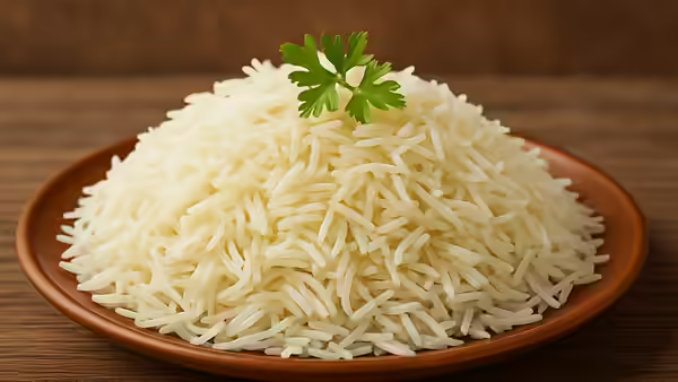
Rice is one of the most commonly consumed staple foods in many households. It is affordable, easy to prepare and versatile enough to accompany almost any meal. From jollof rice and fried rice to white rice and stew, millions of people enjoy rice as part of their daily diet.
However, while rice itself can be part of a healthy and balanced diet, the ingredients used in preparing it also matter. Certain cooking habits, especially the excessive use of salt, could gradually increase the risk of serious health problems.
One common mistake people make when cooking rice is adding too much salt. Although salt improves the taste of food, consuming excessive amounts over time can negatively affect important organs, particularly the heart and kidneys.

Why You Should Avoid Adding Too Much Salt to Rice
Salt contains sodium, an essential mineral that helps the body maintain fluid balance and supports normal nerve and muscle function. However, the body only needs a relatively small amount of sodium to perform these functions.
When you regularly consume too much salt through rice and other meals, your sodium intake can exceed recommended levels.
Excessive sodium consumption can cause the body to retain more water, increasing blood volume and putting additional pressure on blood vessels.
Over time, this can contribute to high blood pressure, also known as hypertension.
1. Too Much Salt Can Increase Your Blood Pressure
One of the major health concerns associated with excessive salt consumption is high blood pressure.
When you consume too much sodium, your body may retain excess fluid, making it harder for the heart to pump blood efficiently.
Persistent high blood pressure increases the risk of serious cardiovascular conditions, including heart disease, heart failure and stroke.
People who regularly eat salty foods should therefore pay attention to how much salt they add when preparing rice and other meals.
2. Excessive Salt Can Put Pressure on Your Kidneys
The kidneys play an important role in filtering waste products from the blood and regulating the body’s fluid and electrolyte balance.
One of their responsibilities is removing excess sodium from the body through urine.
However, consistently consuming too much salt can increase the workload on the kidneys and contribute to high blood pressure, which can damage the blood vessels supplying these organs.
Over time, uncontrolled hypertension and excessive sodium intake can increase the risk of kidney damage and chronic kidney disease.
Reducing salt consumption is therefore an important step towards protecting kidney health.
3. Too Much Salt Can Increase the Risk of Heart Disease
Your heart works continuously to pump blood throughout your body.
When excessive salt consumption contributes to persistently high blood pressure, the heart has to work harder to circulate blood.
This additional strain can increase the risk of cardiovascular complications over time.
Although adding salt to rice occasionally does not automatically cause heart disease, regularly consuming excessive sodium can contribute to long-term cardiovascular problems.
How Much Salt Should You Consume?
According to the World Health Organization (WHO), adults should consume less than 2,000 milligrams of sodium daily, equivalent to less than 5 grams of salt.
This recommendation includes sodium from all foods consumed throughout the day, not just the salt added when cooking rice.
It is important to remember that seasonings, stock cubes, processed foods, sauces and packaged snacks can also contain significant amounts of sodium.
Healthier Ways to Cook Rice
You do not have to stop eating rice to protect your health. Instead, consider making a few changes to how you prepare it.
Here are some practical tips:
Reduce the amount of salt: Use smaller quantities when cooking rice instead of adding excessive amounts.
Use natural flavourings: Ingredients such as garlic, onions, ginger and herbs can improve the taste of rice without requiring too much salt.
Be careful with stock cubes: Many seasoning cubes contain sodium, so avoid combining several salty seasonings in one pot.
Check food labels: Pay attention to sodium levels in packaged seasonings and other ingredients.
Maintain a balanced diet: Combine rice with vegetables, beans, fish and other nutritious foods.
Final Thoughts
Rice can remain part of a healthy diet, but how you prepare it matters. Adding excessive salt may seem like a harmless way to improve flavour, but consistently consuming too much sodium can increase blood pressure and put additional strain on your heart and kidneys.
Making simple changes to your cooking habits, particularly reducing salt and using healthier flavouring alternatives, can help support your long-term health.
The goal is not to stop eating rice but to prepare it in a healthier way.
