

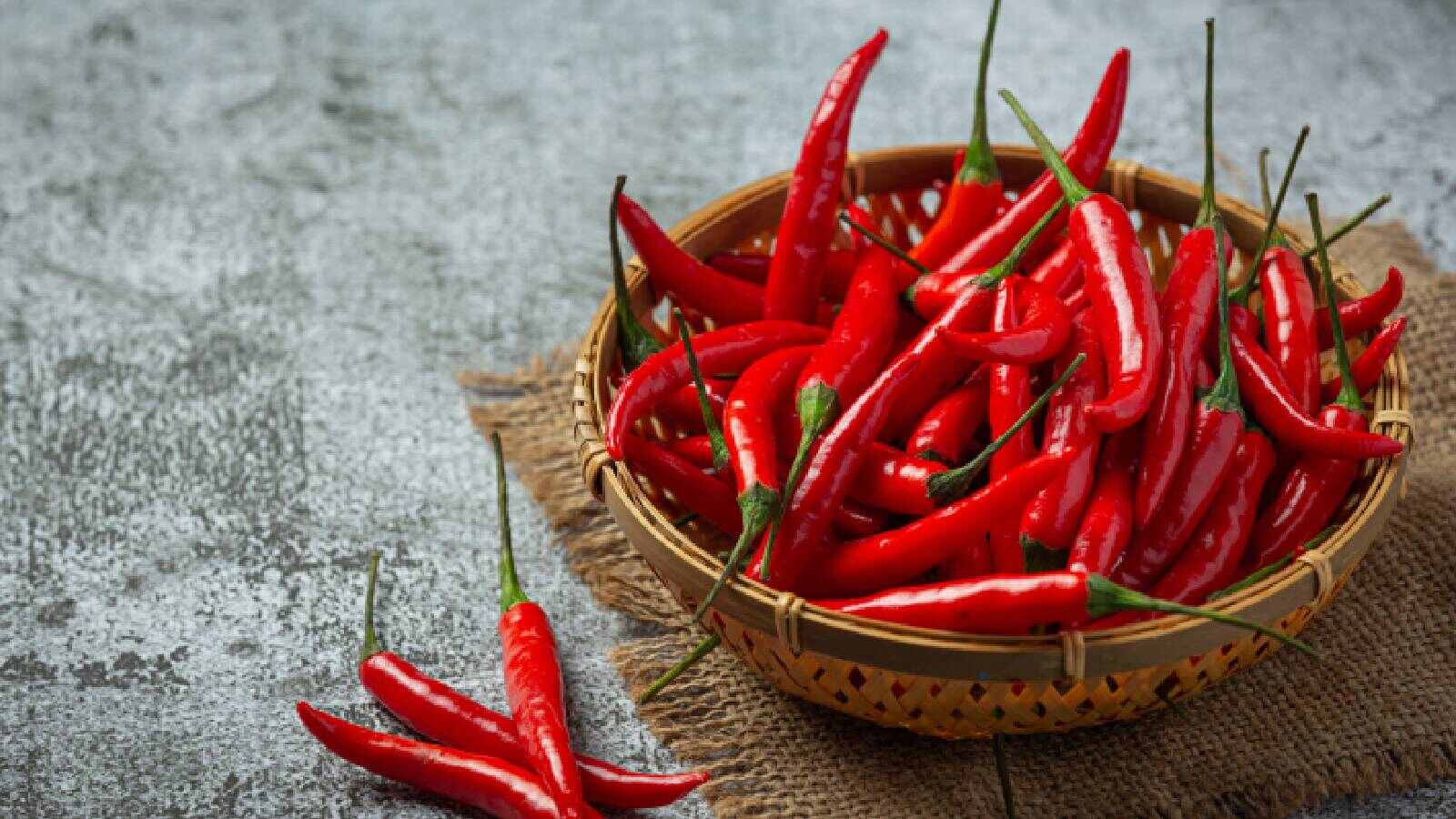
Chili peppers are popular in many meals because they add flavour and heat. They also contain compounds such as capsaicin, which gives them their spicy taste. Eating moderate amounts of chili is generally safe for most people. However, frequently eating very large amounts can cause discomfort, especially in people with sensitive digestive systems.....Continue Reading Full Details Here.
1. You may experience stomach irritation
Too much chili can irritate the digestive tract. Some people may develop stomach discomfort, burning, or cramps after eating very spicy meals. The effect can be stronger when chili is eaten in large amounts or on an empty stomach.

2. Heartburn may become worse
Spicy foods can trigger or worsen heartburn in some people. Capsaicin may contribute to a burning sensation in the chest or upper stomach, particularly among people who already experience acid reflux.
If spicy foods repeatedly trigger these symptoms, reducing the amount you eat may help.
3. You may develop diarrhoea
Large amounts of chili can stimulate the digestive system and cause loose stools in some people. This happens because the body may respond to capsaicin by moving food through the intestines more quickly.
The effect varies from one person to another. Some people can tolerate spicy foods without experiencing any bowel problems.
4. Your mouth may become irritated
Eating very spicy foods frequently can cause a strong burning sensation in the mouth and throat. People may also experience temporary irritation of the lips or tongue, particularly after consuming extremely hot chili.
Chili does not need to be completely avoided unless it causes problems for you. The important thing is to eat it in reasonable amounts and pay attention to how your body responds.
If you frequently experience severe abdominal pain, persistent heartburn, repeated diarrhoea, vomiting, or unexplained weight loss, seek medical advice. These symptoms may have causes other than spicy food and should be properly assessed.
A balanced diet that includes vegetables, fruits, whole grains, proteins, and healthy fats is more important than relying heavily on any single food.
