

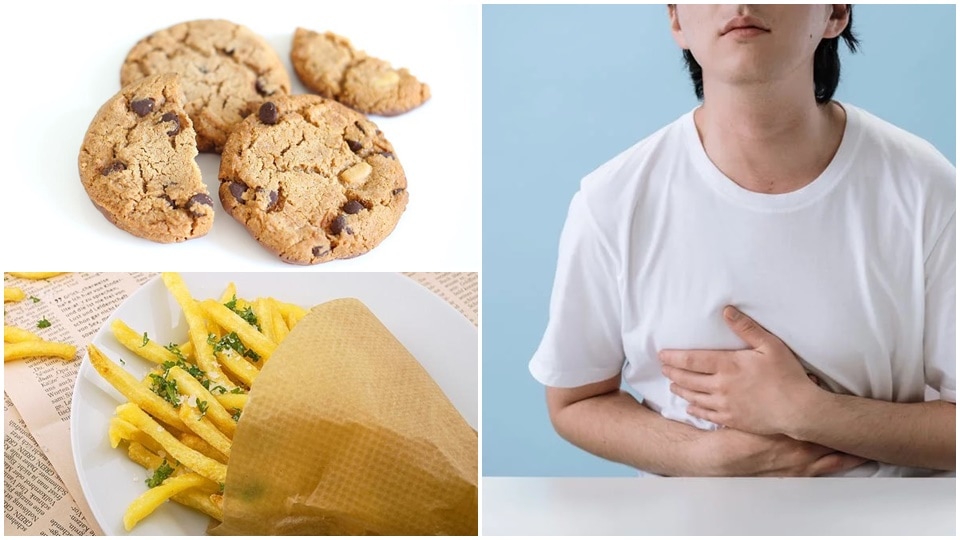
According to clinical nutrition recommendations from the Ministry of Health in Kenya, the World Health Organization (WHO), and liver specialists at the Mayo Clinic, protecting your liver begins with limiting added sugars, heavily refined starches, and solid animal fats while eating more whole, unprocessed foods.....Continue Reading Full Details Here.
Fatty liver disease occurs when excess fat collects inside liver cells, slowly irritating tissue and impairing how the organ filters waste and processes nutrients. Because early fat buildup rarely produces noticeable discomfort, many families continue eating routine items that quietly worsen the condition.
Before planning your next grocery list, review these 7 everyday foods that you should avoid if you have a fatty liver.
1. Sweetened Drinks
Carbonated sodas, sugary energy drinks, sweetened teas, and carton fruit juices send concentrated loads of fructose straight to your liver. Unlike glucose, which cells throughout your body burn for daily energy, fructose is processed almost exclusively inside the liver. Drinking sweetened beverages frequently forces the liver to convert surplus sugar directly into stored fat. Choosing plain water, unsweetened herbal tea, or water flavored with fresh lemon slices helps shield your liver from repeated sugar overload.
2. Fried Foods
Popular deep-fried items such as potato crisps, samosas, bhajias, and fried chicken absorb substantial amounts of cooking oil. The oils used in these foods often contain high levels of saturated fats and artificial trans fats. Guidance from both the World Health Organization and the Mayo Clinic warns that diets rich in saturated and trans fats raise blood triglycerides and drive internal inflammation, accelerating fat storage inside liver tissue. Preparing meals through boiling, steaming, grilling, or baking in the oven supports a much healthier daily fat intake.
3. Refined Grains
Refined grain products, including white bread, mandazi, cakes, and sifted white cornmeal, lose their fibrous outer bran during industrial milling. Without natural fiber to slow stomach emptying, these refined starches break down swiftly, causing sharp spikes in blood glucose and insulin levels. Elevated insulin prompts the liver to store even more fat. Swapping refined grains for whole-wheat bread, brown rice, rolled oats, or whole-grain maize blended with finger millet (wimbi) keeps blood sugar levels steadier.
4. Packaged Meats
Processed meats such as smokies, sausages, bacon, hot dogs, and sliced cold cuts contain dense amounts of saturated fat, sodium, and chemical preservatives. Regularly eating packaged meats increases oxidative stress and cellular irritation in the liver, which can raise the risk of long-term liver scarring. Replacing processed meats with fresh lean protein sources, such as skinless chicken, grilled fish, kidney beans, brown lentils (kamande), or green grams (ndengu), helps protect liver health.
5. High-Fat Red Meats
Although lean cuts of meat can fit into a balanced diet in moderation, frequent servings of fatty beef, pork ribs, or rich offal deliver heavy loads of saturated fat. Recommendations in the Kenya Ministry of Health National Guidelines for Healthy Diets and Physical Activity advise cutting back on solid fats from animal sources and eating plant-based legumes at least 4 times per week. Following this guidance improves blood lipid levels and reduces fat accumulation inside the liver.
6. Packaged Cakes, Biscuits, and Salty Snacks
Store-bought biscuits, doughnuts, potato crisps, and sweet pastries pack three major fatty-liver triggers into a single snack: refined white flour, added sugars, and processed vegetable shortenings. Even packaged snacks labeled low-fat often contain extra added sugars to improve flavor. Keeping fresh seasonal fruits, roasted unsalted groundnuts, or raw sunflower seeds on hand gives you a much safer option between meals.
7. Alcoholic Beverages
Drinking alcoholic beverages, such as beer, wine, spirits, and traditional brews, places an immediate metabolic workload on liver cells. Whenever you consume alcohol, your liver pauses its normal fat-burning duties to clear the alcohol first, allowing triglycerides to build up inside the organ. Even small amounts of alcohol can worsen liver inflammation in people living with fatty liver disease. For optimal recovery, alcohol should be completely avoided.
Because the liver has a strong natural ability to repair itself when supported by wholesome foods and regular physical activity, consult a registered nutritionist to design a suitable liver-friendly meal plan.
