

Pulmonary hypertension is a serious but often misunderstood health condition that affects the arteries in your lungs and the right side of your heart. It develops when the pressure in the blood vessels leading from the heart to the lungs becomes too high, making the heart work harder to pump blood.
Because its symptoms can be subtle or mistaken for other illnesses, many people ignore early warning signs—sometimes until it’s too late. That’s why knowing the key symptoms can save your life.
One major symptom is shortness of breath, especially during simple activities like climbing stairs. It’s easy to brush this off as being out of shape, but it can be a red flag. Fatigue is another common sign; your heart is working overtime, and your body feels constantly drained.
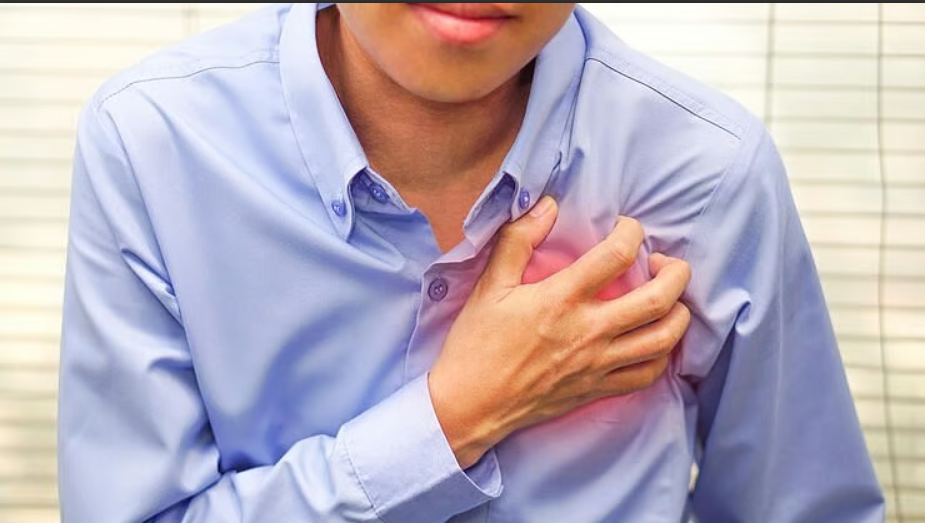
Other symptoms include chest pain, dizziness, swelling in the ankles or legs, a fast heartbeat, and even bluish lips or skin, signaling low oxygen levels.
Ignoring these signs may lead to heart failure or other life-threatening complications. Pulmonary hypertension requires proper diagnosis and treatment to manage symptoms and slow its progression.
If you experience any combination of these signs persistently, it’s crucial to seek medical attention early intervention makes a huge difference in outcomes. Listen to your body; it often whispers before it screams.
