

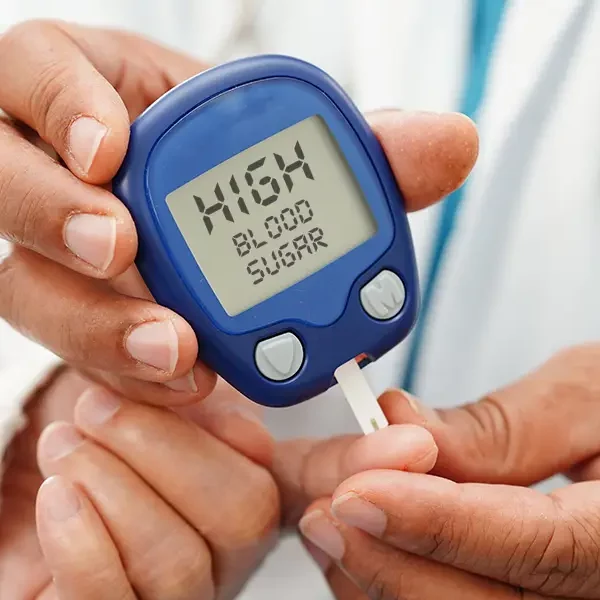
High blood sugar, or hyperglycemia, can sneak up on you quietly. Many people don’t realize their sugar levels are out of control until serious symptoms appear. The body sends signals when things aren’t quite right, but sometimes we ignore or mistake them for other issues.....Continue Reading Full Details Here.
If you catch these nine signs early, you can take steps to manage your blood sugar before it leads to bigger health problems like diabetes or complications from it.
1. Increased Thirst
One of the first signs is feeling thirsty all the time, no matter how much water you drink. When blood sugar rises, your kidneys work harder to filter and absorb the excess glucose. This causes dehydration and makes you crave more fluids.
2. Frequent Urination
Because of this excess sugar in your blood, your body tries to get rid of it through urine. You may find yourself rushing to the bathroom more often than usual, especially at night.
3. Fatigue and Weakness
High blood sugar can prevent glucose from entering your cells properly, leaving your body starved for energy. This often results in feelings of tiredness and sluggishness even if you’ve had enough rest.
4. Blurred Vision
When blood sugar is high, fluid can be pulled from your eye lenses, affecting your ability to focus. Blurry vision is a warning sign you shouldn’t ignore.
5. Slow Healing Cuts or Wounds
Elevated sugar levels affect blood flow and your immune system’s ability to heal wounds. If your cuts or bruises take longer than usual to heal, it could be linked to high blood sugar.
6. Increased Hunger
Even if you’re eating regularly, high blood sugar can make you feel hungrier than normal. Your body isn’t getting the energy it needs from glucose, so it signals for more food.
7. Tingling or Numbness in Hands and Feet
High blood sugar can damage nerves over time, leading to a sensation of pins and needles or numbness, especially in the extremities.
8. Dry Mouth and Skin
Dehydration caused by frequent urination can leave your mouth and skin feeling dry and itchy.
9. Unexplained Weight Loss
When the body can’t use glucose properly, it starts breaking down fat and muscle for energy, causing weight loss despite a normal or increased appetite.
If you notice these signs, it’s important to talk to a healthcare professional and get your blood sugar tested. Managing your sugar levels early with lifestyle changes, diet, and medication when necessary can help prevent serious complications and keep you feeling your best. Remember, your body is talking listen closely!
Power Of Favor? (Silent, Spiritual, Dominant) You won't miss out on your desires with silent, spiritual and dominant power of favor against obstacles(spiritual and physical) Dominate and achieve with DOMINANT POWER OF FAVOR. DESIRES: in undertakings, business, profession, patronage, office work, occupation, etc POSITION: leadership position, financial position, attractive position, elevation, fame, power, etc. LOVE: reunion with lover, love matters, marriage, etc OTHER MATTERS: people/crowd, alternative healings, herbs, prevention/protection, etc For more on Dominant Power Of Favor, spiritual consultation, solutions, Call/ Whatsapp Dr. J.A. Faros on 07030514063. All power to God
