

High blood pressure can develop quietly without obvious symptoms. The good news is that simple daily habits can help manage it. These changes should support, not replace, medication prescribed by a healthcare professional.
1. Reduce Salt
Too much sodium can raise blood pressure. Limit salty snacks, processed meats, instant foods, and heavily salted meals. Use herbs, garlic, or spices to add flavor instead.
2. Eat More Fruits and Vegetables
Fruits and vegetables provide potassium, fiber, and other nutrients that support heart health. Try to include different types in your meals every day.
3. Exercise Regularly
Walking, cycling, swimming, or other moderate activities can help lower blood pressure. Aim for regular movement rather than exercising intensely only once in a while.
4. Maintain a Healthy Weight
If you are overweight, losing even a modest amount of weight may improve blood pressure. Focus on gradual, sustainable changes instead of extreme diets.
5. Drink Less Alcohol
Frequent or heavy alcohol consumption can increase blood pressure. Reducing your intake can support better heart health.
6. Stop Smoking
Smoking damages blood vessels and increases cardiovascular risk. Quitting is one of the most valuable steps you can take for your heart and overall health.
7. Manage Stress
Long periods of stress can affect blood pressure. Deep breathing, prayer, gentle stretching, hobbies, and spending time with supportive people may help you relax.
8. Get Enough Sleep
Poor sleep can make blood pressure harder to control. Maintain a regular sleeping schedule and create a quiet, comfortable environment for rest.
9. Check Your Blood Pressure
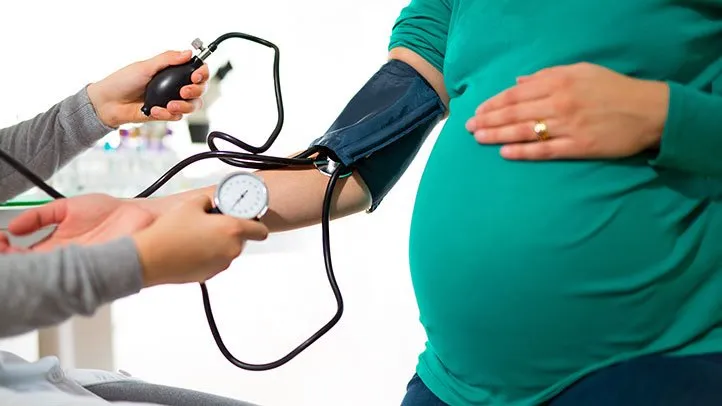
Regular monitoring helps you understand whether your lifestyle changes are working. Keep a record of your readings and discuss unusual or consistently high results with a healthcare professional.
Natural habits can make a meaningful difference, but high blood pressure should not be ignored. If you already take blood pressure medicine, do not stop or change the dose without medical advice. Combining healthy lifestyle choices with appropriate medical care offers the best protection for your heart and blood vessels.
Power Of Favor? (Silent, Spiritual, Dominant) You won't miss out on your desires with silent, spiritual and dominant power of favor against obstacles(spiritual and physical) Dominate and achieve with DOMINANT POWER OF FAVOR. DESIRES: in undertakings, business, profession, patronage, office work, occupation, etc POSITION: leadership position, financial position, attractive position, elevation, fame, power, etc. LOVE: reunion with lover, love matters, marriage, etc OTHER MATTERS: people/crowd, alternative healings, herbs, prevention/protection, etc For more on Dominant Power Of Favor, spiritual consultation, solutions, Call/ Whatsapp Dr. J.A. Faros on 07030514063. All power to God
