
Many men are taught to appear strong, endure discomfort, and keep moving. Unfortunately, this mindset can make some health problems easy to ignore. A minor symptom may seem harmless today, yet it could signal a serious condition that requires attention.
Here are five health issues men should never overlook.
1. High Blood Pressure
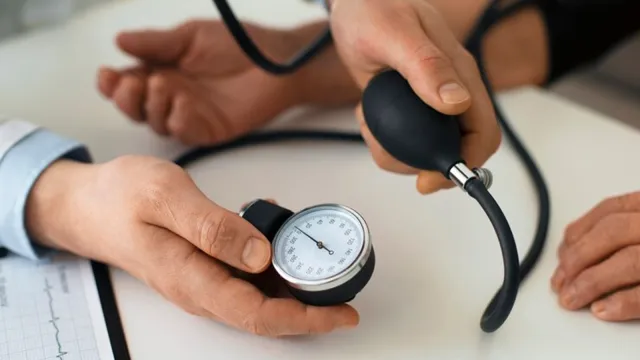
High blood pressure is often called a silent killer because it may produce no obvious symptoms. When uncontrolled, it can damage the heart, brain, kidneys, and blood vessels. Regular blood-pressure checks can help detect the problem early.
2. Diabetes
Constant thirst, frequent urination, unusual tiredness, blurred vision, and unexplained weight changes can sometimes indicate diabetes. However, some people experience few symptoms. Early testing and proper management can reduce the risk of serious complications.
3. Heart Disease
Chest discomfort, shortness of breath, unusual sweating, dizziness, or persistent fatigue should not simply be blamed on stress or getting older. Heart disease can develop gradually, while a heart attack can occur suddenly. Men with risk factors should take symptoms seriously and seek medical evaluation.
4. Prostate Problems
As men age, prostate conditions become increasingly important. Frequent urination, difficulty starting or maintaining urine flow, blood in urine, or persistent pelvic discomfort deserves medical attention. Not every prostate symptom means cancer, but ignoring changes can delay diagnosis and treatment.
5. Depression and Mental Health Problems
Not every health threat is visible. Depression, anxiety, prolonged stress, and emotional exhaustion can affect sleep, relationships, work, and physical health. Some men hide their struggles because they fear being judged as weak. Seeking professional support is not weakness; it is responsible self-care.
The bigger lesson is simple: prevention is better than emergency treatment. Men should not wait until pain becomes unbearable before visiting a healthcare professional.
Routine medical check-ups, healthy eating, regular physical activity, adequate sleep, avoiding tobacco, limiting alcohol, and knowing personal health numbers can make a meaningful difference.
Your body often gives warnings before a crisis. Listen to them.
