

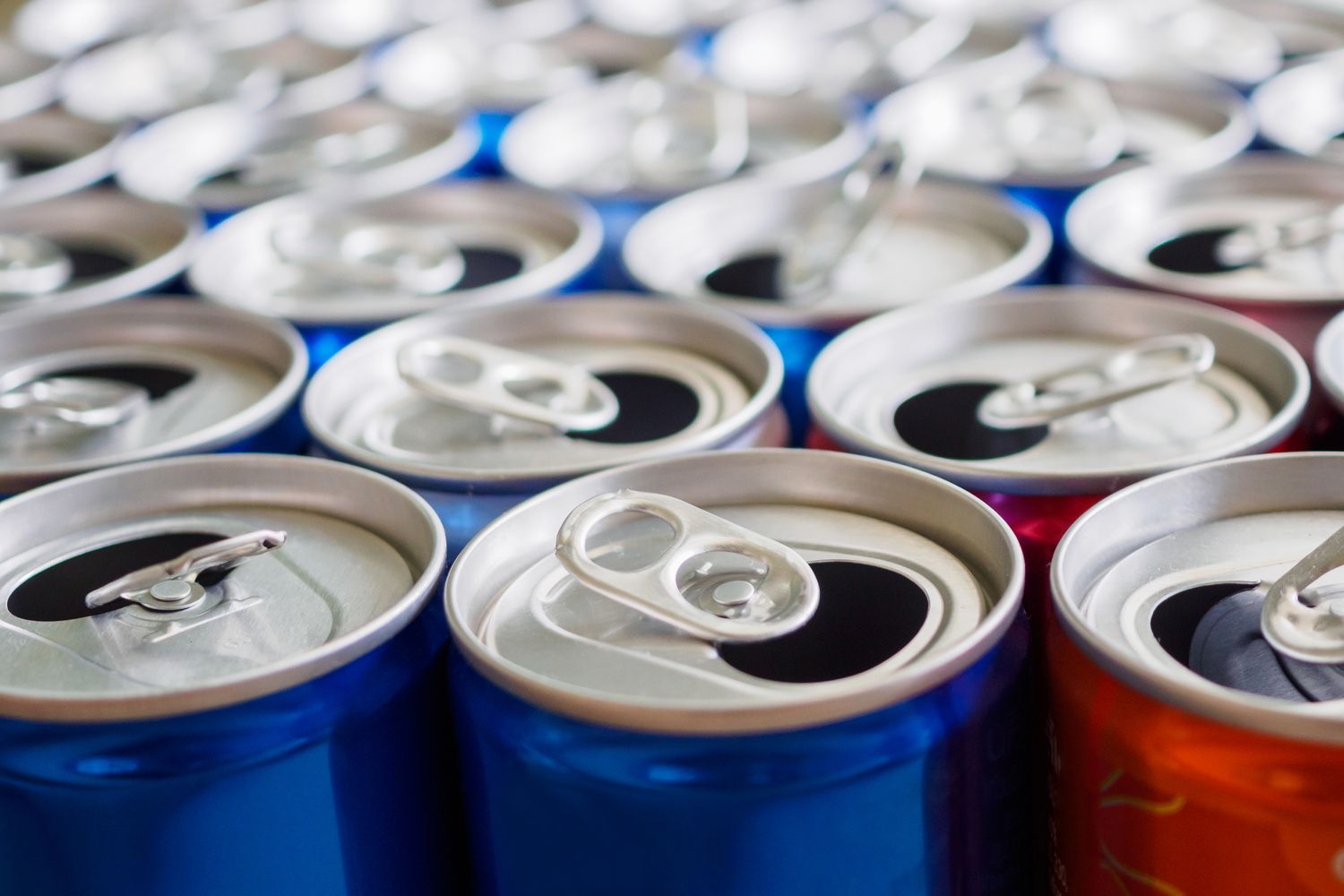
Consumption of energy drinks has been increasing dramatically in the last two decades, particularly amongst adolescents and young adults.....Continue Reading Full Details Here.
Energy drinks are aggressively marketed with the claim that these products give an energy boost to improve physical and cognitive performance.
However, studies supporting these claims are limited.

In fact, several adverse health effects have been related to energy drink; this has raised the question of whether these beverages are safe.
About 90% of all adults consume caffeine every day, making it the most common stimulant in the world. Coffee, tea, soft drinks, energy drinks or “energy shots,” and over-the-counter supplements are widely available sources of caffeine.
Total energy drink sales globally reached $57 billion in 2020. Energy drinks are the second most popular dietary supplement among U.S. teens and young adults behind multivitamins.
Most energy drinks contain 100–300 milligrams of caffeine per serving, although amounts can vary. Up to 400 milligrams of caffeine per day is considered safe for most adults.
Experts warn that these highly caffeinated, often sugary, drinks may be associated with increased blood pressure, weight gain, headaches, anxiety, dental problems, dehydration, and heart disease.
Since energy drinks are known to contain high levels of caffeine, they are associated with mental and physical boosts.1 They are often used by athletes to increase performance and by students to enhance study sessions.
Caffeine withdrawal is associated with headache, marked fatigue, anxiety, tremors and irritability. Energy drinks should not be consumed by kids or teenagers as they are more susceptible to the negative effects of caffeine, added sugars, and low-calorie sweeteners.
Studies have recently connected the consumption of energy drinks to risk-taking behaviour, poor mental health, cardiovascular effects, and metabolic, renal, or dental issues in children.
Energy drinks shouldn’t be consumed by those who suffer from anxiety disorders. Caffeine could improve sports performance. Energy drink consumption should be avoided by those who have heart issues. Coffee might irritate your stomach and induce diarrhoea. Headaches may result from caffeine.
Are energy drinks beneficial for weight loss? The caloric and sugar content of energy drinks can make you gain weight. Energy drinks may contain stimulants that have the ability to burn calories. People who are trying to reduce weight shouldn’t use energy drinks.
