

Many people wonder what their ideal weight should be. The truth is that there is no single number that suits everyone. A healthy weight depends on several factors, including your height, age, body structure, muscle mass, and overall health.....Continue Reading Full Details Here.
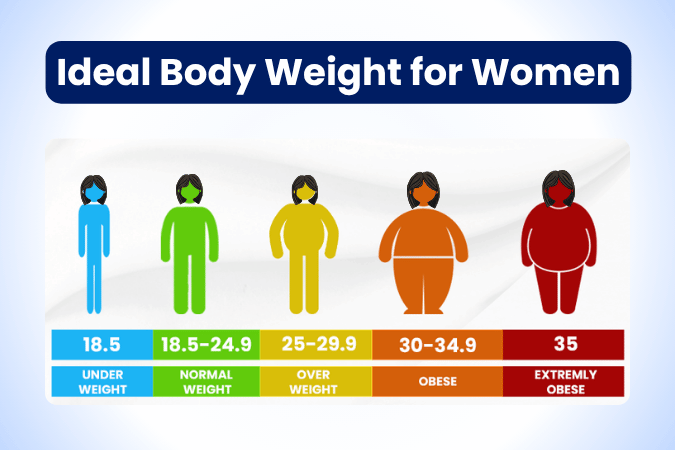
Height is one of the biggest factors when estimating a healthy weight. Taller people naturally weigh more because they have larger bodies. Health professionals often use the Body Mass Index (BMI) as a general guide. A BMI between 18.5 and 24.9 is considered healthy for most adults, although it does not measure body fat directly.
Age also plays a role. As people grow older, their metabolism may slow down, and muscle mass can decrease if they are not physically active. This means weight may change over time, but maintaining a healthy lifestyle is more important than chasing a specific number on the scale.

Men and women usually have different body compositions. Men often have more muscle mass, while women naturally carry a higher percentage of body fat. These differences mean two people of the same height may have different healthy weights.
Instead of focusing only on weight, pay attention to your overall health. Regular exercise, a balanced diet, enough sleep, and proper hydration are all important. If you feel energetic, have normal blood pressure, and your doctor says you are healthy, your weight may already be suitable for your body.
Avoid comparing yourself with friends, celebrities, or social media influencers. Everyone’s body is unique, and unrealistic expectations can lead to unhealthy dieting or poor self-esteem.
If you are concerned about your weight, speak to a healthcare professional. They can assess your height, age, medical history, and lifestyle to provide advice that matches your individual needs.
A healthy weight is not about looking perfect. It is about supporting your body’s health and reducing the risk of diseases. Focus on developing healthy habits that you can maintain for life instead of trying quick fixes or extreme diets. Small, consistent changes often lead to the best long-term results.
