

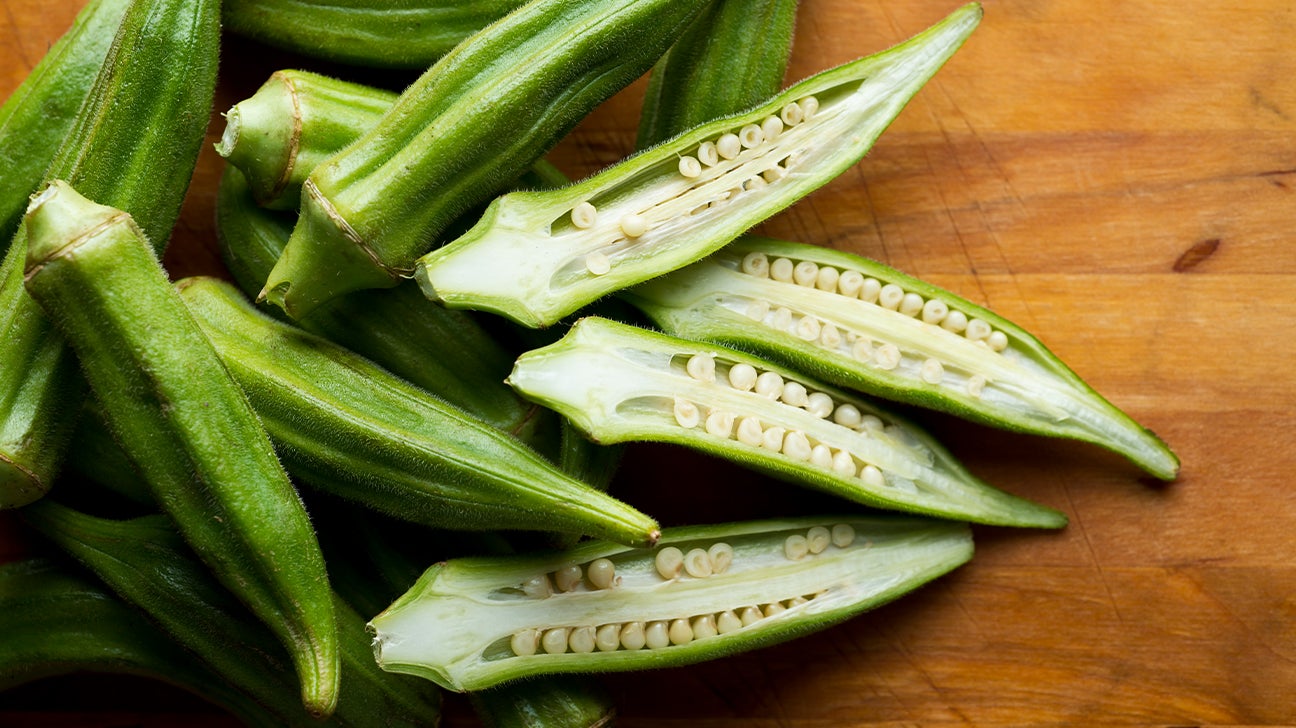
Okro, also known as okra or lady’s finger, is one of the most popular vegetables consumed in Nigeria and many other parts of the world. Apart from being used to prepare delicious soups, this green vegetable contains important nutrients that can contribute to better health.....Continue Reading Full Details Here.
Scientifically known as Abelmoschus esculentus, okro contains dietary fiber, vitamins, minerals, and natural antioxidants that support several functions in the body.
Although many people enjoy eating okro because of its unique taste and texture, not everyone knows its potential nutritional benefits.
PLEASE ADULT ONLY: How To Make A Woman Wet Instantly - Watch The Full Video

Here are five reasons why including okro in your regular diet may be good for your health.
1. May Help Maintain Healthy Cholesterol Levels
One important benefit of okro is its fiber content, particularly soluble fiber.
Soluble fiber can help reduce the absorption of cholesterol in the digestive system, which may contribute to healthier cholesterol levels.
Maintaining healthy cholesterol levels is important because excessive amounts of LDL cholesterol can increase the risk of heart disease and stroke.
However, more human research is needed to establish how much okro itself affects cholesterol levels.
2. May Support Healthy Blood Sugar Levels
Okro contains fiber that can slow the digestion and absorption of carbohydrates, helping to moderate blood sugar increases after meals.
Some preliminary studies have also investigated whether compounds found in okro could influence blood sugar regulation.
Although these findings are promising, there is not enough reliable human evidence to recommend okro as a treatment for diabetes.
People living with diabetes should continue following their prescribed treatment plans while maintaining a balanced diet.
3. Promotes Better Digestion and Prevents Constipation
If you frequently experience constipation, including fiber-rich vegetables such as okro in your meals may help improve bowel regularity.
Okro contains dietary fiber, which helps support normal bowel movements and digestive health.
Its characteristic slippery substance, known as mucilage, contributes to its unique texture.
Eating okro alongside other vegetables, fruits, whole grains, and sufficient water can help maintain a healthy digestive system.
4. Supports Strong and Healthy Bones
Okro contains vitamin K, an essential nutrient that contributes to normal blood clotting and bone health.
Vitamin K helps the body produce proteins involved in maintaining healthy bones.
Okro also provides smaller amounts of other minerals involved in normal body functions.
Including okro in a varied diet can contribute to overall bone health, although strong bones also require adequate calcium, vitamin D, and regular physical activity.
5. Helps Support the Immune System
Another reason to include okro in your meals is its vitamin C and antioxidant content.
Vitamin C supports normal immune function and helps the body produce collagen, which is important for healthy skin and tissue repair.
Antioxidants help protect cells against oxidative damage caused by free radicals.
Although eating okro cannot guarantee protection against infections or diseases, it can contribute useful nutrients to a healthy diet.
How to Get the Most Benefits From Okro
Okro can be enjoyed in several ways, including traditional Nigerian okro soup, vegetable stews, and lightly cooked dishes.
To retain more of its nutrients, avoid unnecessarily prolonged cooking, particularly when preparing it with large quantities of water that will later be discarded.
Combining okro with other nutritious foods such as fish, beans, vegetables, and whole grains can make your meals more balanced.
Conclusion
Okro is more than just a popular vegetable used in preparing soup. It contains valuable nutrients that may support digestion, heart health, bone health, blood sugar management, and normal immune function.
However, it is important to understand that okro is not a miracle food and cannot cure diabetes, high cholesterol, or other medical conditions.
The best approach to maintaining good health is to combine nutritious foods with regular exercise, adequate sleep, and appropriate medical care.
