Male reproductive health is an important part of overall wellbeing, yet it is often overlooked. When couples are trying to have children, attention naturally tends to focus on the woman, but male fertility also plays a major role. The good news is that maintaining a balanced diet can provide nutrients that support healthy reproductive function.
Several everyday foods contain antioxidants, vitamins and minerals that may help protect reproductive cells from oxidative stress and support normal sperm production. Here are some options worth including in a balanced diet.
Blueberries
Blueberries are rich in antioxidants, which help protect cells from oxidative stress caused by unstable molecules known as free radicals. Since oxidative stress can affect reproductive health, eating antioxidant-rich fruits such as blueberries may be beneficial.
They are also easy to add to breakfast cereals, oatmeal, smoothies or eat as a snack.
Guava
Guava is an excellent source of vitamin C and other nutrients. Vitamin C functions as an antioxidant and contributes to protecting cells from oxidative damage.

Including guava as part of a varied diet can therefore contribute to overall reproductive and general health. However, claims that one particular fruit can dramatically increase sperm quality should be treated cautiously, as fertility is influenced by many factors.
Bananas
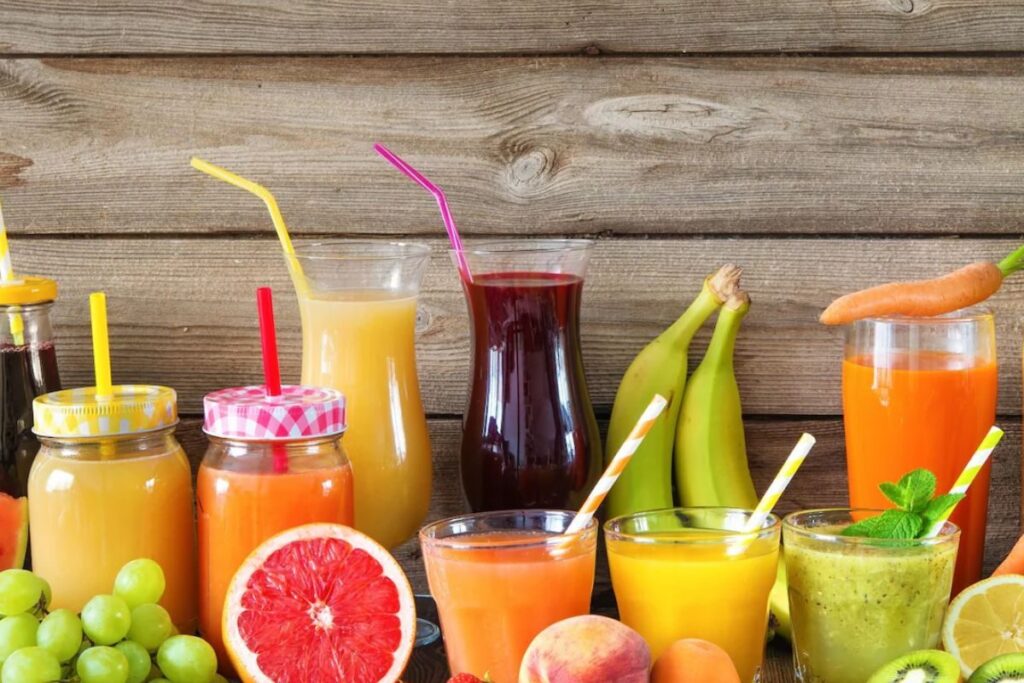
Bananas are another convenient source of nutrients, including vitamins B6 and C, potassium and other beneficial compounds. These nutrients support normal body functions, including metabolism and hormone-related processes.
Because bananas are affordable and easy to eat, they can be a simple addition to a healthy daily diet.
Walnuts
Although walnuts are not fruits, they are worth mentioning because they contain healthy fats, omega-3 fatty acids, zinc and other nutrients involved in normal cell function.
Some research has investigated whether regularly eating nuts may benefit sperm-related measures, although more research is needed before making strong claims about fertility.
A Balanced Diet Matters Most
No single food can guarantee improved fertility or solve every reproductive-health problem. Eating a variety of fruits, vegetables, whole grains, healthy fats and protein sources is a better approach than relying on one particular food.
Other lifestyle factors, including regular physical activity, adequate sleep and managing stress, can also contribute to overall health.
For men concerned about fertility, persistent difficulties conceiving should be discussed with a qualified healthcare professional rather than treated solely through diet. A healthy eating pattern can support the body, but fertility problems can have many different causes.
The simple takeaway is that adding nutrient-rich foods such as blueberries, guava and bananas—and including healthy foods such as walnuts—can be part of a balanced approach to supporting overall and reproductive health.