

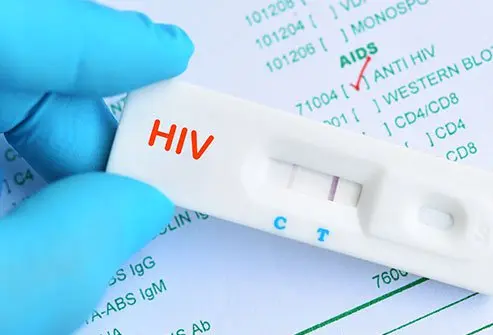
When a person contracts the HIV virus, the time it takes for the virus to be detectable in a test varies depending on several factors, including the type of test used and the individual’s immune system response.....Continue Reading Full Details Here.
Generally, after someone is exposed to the virus, the period before a positive test result is detected is known as the “window period.” During this time, the virus is present in the body, but the immune system has not yet produced enough detectable antibodies or viral load to trigger a positive result.
1. Window Periods for Different HIV Tests:

– Nucleic Acid Test (NAT): This is the most sensitive test and can detect HIV within 10 to 33 days after exposure. It looks for the virus in the blood, identifying HIV before the body starts producing antibodies.
– Antigen/Antibody Test (4th Generation): This test looks for both antibodies and antigens (specifically the p24 antigen, a protein from the HIV virus) in the blood. It can typically detect HIV infection 18 to 45 days after exposure. The p24 antigen appears earlier than antibodies, which helps in detecting HIV earlier.
– Antibody Test:This is the most common HIV test, and it only looks for antibodies produced by the immune system in response to HIV infection. These antibodies usually take longer to develop, with most people testing positive within 23 to 90 days after exposure. This test is commonly done using blood or oral fluid samples.
2. Factors Influencing Detection:
Several factors can affect the timing of when HIV becomes detectable, including:
– Immune System Response: Some people’s immune systems may produce antibodies or detectable viral loads more quickly than others. Those with stronger immune systems might take longer to show detectable levels of the virus.
– Type of Exposure:The route of exposure can influence how quickly HIV becomes detectable. For instance, unprotected vaginal sex may have a different risk profile for detection compared to needle sharing or blood transfusions.
– Testing Method and Technology: The accuracy and sensitivity of the test method used can also impact the detection window. Advanced testing methods like the NAT are more sensitive and can detect HIV sooner than antibody-based tests.
3. Implications for Testing:
It’s important for individuals to wait for the recommended window period before testing, as testing too early can result in a false negative. However, even during the window period, people with HIV can transmit the virus to others. This underscores the importance of practicing safe behaviors, including using protection during sex and avoiding sharing needles, particularly if one has recently had a potential exposure to HIV.
In conclusion, while the time it takes to test positive for HIV varies, the general window period ranges from 10 to 90 days after exposure, depending on the type of test and the person’s immune response.
It’s crucial to follow proper testing protocols and consider retesting if there’s any doubt about the accuracy of an early test result.
