
Close Menu
NewshourNewshour
  • Health
  • Relationship
  • Lifestyle
  • Religion
  • Tech

Subscribe to Updates

Get the latest creative news from FooBar about art, design and business.

What's Hot

4 Warning Signs of High Blood Sugar You Should Know About

October 22, 2026

Benefits of Not Wearing a Bra You Should Know

October 22, 2026

The Dark Side of BBL: How a Brazilian Butt Lift Can Harm Your Body

October 22, 2026
Facebook X (Twitter) Instagram
Trending
  • 4 Warning Signs of High Blood Sugar You Should Know About
  • Benefits of Not Wearing a Bra You Should Know
  • The Dark Side of BBL: How a Brazilian Butt Lift Can Harm Your Body
  • Signs You’re Not Eating Enough Food to Meet Your Body’s Needs
  • 8 Early Signs of Kidney Problems You Should Never Ignore
  • Top 3 Healthiest Vegetables to Add to Your Diet Today
  • Common Signs of HIV in Men and When to Get Tested
  • Early Warning Signs of Heart Disease You Should Never Ignore
  • About Us
  • Contact Us
  • Privacy Policy
  • Terms & Conditions
NewshourNewshour
Friday, October 23
  • Health
  • Relationship
  • Lifestyle
  • Religion
  • Tech
NewshourNewshour
Home»Health

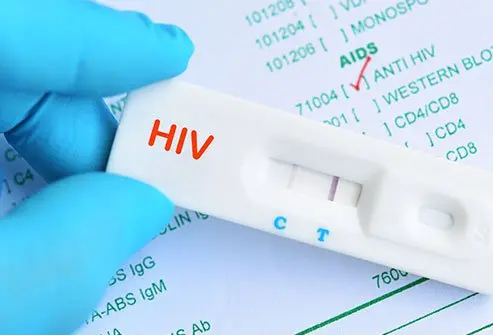
How Long Does It Take to Test Positive After Getting HIV?

Emmanuel Fun-EbiBy Emmanuel Fun-EbiAugust 5, 2026No Comments4 Views
Share Twitter Pinterest Threads LinkedIn WhatsApp Telegram
Follow Us
Add as Preferred on Google

When a person contracts the HIV virus, the time it takes for the virus to be detectable in a test varies depending on several factors, including the type of test used and the individual’s immune system response.....Continue Reading Full Details Here.

Generally, after someone is exposed to the virus, the period before a positive test result is detected is known as the “window period.” During this time, the virus is present in the body, but the immune system has not yet produced enough detectable antibodies or viral load to trigger a positive result.

1. Window Periods for Different HIV Tests:

– Nucleic Acid Test (NAT): This is the most sensitive test and can detect HIV within 10 to 33 days after exposure. It looks for the virus in the blood, identifying HIV before the body starts producing antibodies.

– Antigen/Antibody Test (4th Generation): This test looks for both antibodies and antigens (specifically the p24 antigen, a protein from the HIV virus) in the blood. It can typically detect HIV infection 18 to 45 days after exposure. The p24 antigen appears earlier than antibodies, which helps in detecting HIV earlier.

– Antibody Test:This is the most common HIV test, and it only looks for antibodies produced by the immune system in response to HIV infection. These antibodies usually take longer to develop, with most people testing positive within 23 to 90 days after exposure. This test is commonly done using blood or oral fluid samples.

2. Factors Influencing Detection:

Several factors can affect the timing of when HIV becomes detectable, including:

– Immune System Response: Some people’s immune systems may produce antibodies or detectable viral loads more quickly than others. Those with stronger immune systems might take longer to show detectable levels of the virus.

– Type of Exposure:The route of exposure can influence how quickly HIV becomes detectable. For instance, unprotected vaginal sex may have a different risk profile for detection compared to needle sharing or blood transfusions.

– Testing Method and Technology: The accuracy and sensitivity of the test method used can also impact the detection window. Advanced testing methods like the NAT are more sensitive and can detect HIV sooner than antibody-based tests.

3. Implications for Testing:

It’s important for individuals to wait for the recommended window period before testing, as testing too early can result in a false negative. However, even during the window period, people with HIV can transmit the virus to others. This underscores the importance of practicing safe behaviors, including using protection during sex and avoiding sharing needles, particularly if one has recently had a potential exposure to HIV.

In conclusion, while the time it takes to test positive for HIV varies, the general window period ranges from 10 to 90 days after exposure, depending on the type of test and the person’s immune response.

It’s crucial to follow proper testing protocols and consider retesting if there’s any doubt about the accuracy of an early test result.

Add as Preferred on Google Follow on X (Twitter) Follow on WhatsApp Follow on Threads
Share. Twitter Threads WhatsApp Pinterest LinkedIn Bluesky Reddit Telegram
Previous ArticleWhy Bodies Leave Their Shoes Behind Forever
Next Article What She Craves Most (But Won’t Say)
Emmanuel Fun-Ebi
  • Website

Newshour.ng is a Nigerian online news and lifestyle platform that delivers engaging, informative content focused on global news, health tips, relationships, lifestyle advice, technology, and religion.

Keep Reading

4 Warning Signs of High Blood Sugar You Should Know About

The Dark Side of BBL: How a Brazilian Butt Lift Can Harm Your Body

Signs You’re Not Eating Enough Food to Meet Your Body’s Needs

8 Early Signs of Kidney Problems You Should Never Ignore

Top 3 Healthiest Vegetables to Add to Your Diet Today

Common Signs of HIV in Men and When to Get Tested

Add A Comment
Leave A Reply Cancel Reply

Recent Posts

4 Warning Signs of High Blood Sugar You Should Know About

October 22, 2026

Benefits of Not Wearing a Bra You Should Know

October 22, 2026

The Dark Side of BBL: How a Brazilian Butt Lift Can Harm Your Body

October 22, 2026

Signs You’re Not Eating Enough Food to Meet Your Body’s Needs

October 22, 2026

8 Early Signs of Kidney Problems You Should Never Ignore

October 22, 2026

Top 3 Healthiest Vegetables to Add to Your Diet Today

October 22, 2026

Common Signs of HIV in Men and When to Get Tested

October 22, 2026

Early Warning Signs of Heart Disease You Should Never Ignore

October 22, 2026

Avoid These Blood Pressure Checking Mistakes for More Accurate Results

October 22, 2026

Parts of the Body Where You May Feel Pain If Your Kidneys Have Problems

October 22, 2026
Facebook X (Twitter) Instagram Pinterest
  • About Us
  • Contact Us
  • Privacy Policy
  • Terms & Conditions
© 2026 Newshour.ng. All Rights Reserved.

Type above and press Enter to search. Press Esc to cancel.