

How do you sleep at night? I don’t mean morally – I mean physically. Does your body soften and relax into a gentle slumber? Or do you, like roughly 8% of the adult population, spend your nightly repose gritting your teeth like an NFL coach whose team is behind in overtime?
Even if you do, you might not know. Teeth grinding, also known as bruxism, occurs both during the day (awake bruxism) and at night (sleep bruxism). Sleep bruxism is generally harder to detect because, well, we’re asleep.
“People are usually unaware of the condition,” says Dr Subha Giri, a dental sleep medicine expert at the Mayo Clinic. Instead, she says, night-time teeth grinders may be alerted “by caregivers or bed partners who hear grating, tapping or clicking sounds”.

Below, what you need to know about sleep bruxism and how to manage it.
What is sleep bruxism?
Sleep bruxism is an “involuntary jaw-muscle activity such as grinding, clenching or jaw thrusting” that occurs while we sleep, says Dr Hosam Alraqiq, program director of the Dental Public Health Research Fellowship at the National Institute of Dental and Craniofacial Research. If this happens regularly, it can damage teeth.
The condition is more common during childhood and adolescence, when prevalence ranges from 14% to 18%, as opposed to 8% among adults, explains Giri.
Experts aren’t sure what exactly causes sleep bruxism, but it tends to be more common in people with a family history of the condition, which suggests there is a genetic link, says Dr Michelle Drerup, director of the Behavioral Sleep Medicine Program at the Cleveland Clinic. It is also more likely to appear in individuals with medical conditions like sleep apnea, Parkinson’s disease, dementia or gastroesophageal reflux disease (Gerd), she says.
Other risk factors include “stress, anxiety, alcohol use, smoking, excessive caffeine, and certain medications” like SSRIs and antipsychotics, Drerup says.
How can you tell if you have sleep bruxism?
Maybe you’ve been told that you click-clack like a typewriter when you sleep. But there are other ways to find out.
“Dentists may detect patterns of tooth wear that indicate bruxism,” Giri says. For instance, the tooth surfaces that normally make contact during chewing might show “flattening or damage”.
Symptoms like waking up with your teeth clenched, chronic jaw pain or dental sensitivity may also suggest that you’re grinding at night, says Alraqiq – but “the gold standard” for diagnosis is the sleep study, a diagnostic test in which healthcare providers monitor brain and body activity while the subject sleeps.
What impact does sleep bruxism have on your health?
Sleep bruxism is not always harmful, Alraqiq says. It can also be temporary. But in more serious and long-lasting cases, it can have a big impact on dental health – literally. People can clench their teeth with a “force of up to 250 pounds”.
This pressure can damage tooth enamel, lead to chipped or cracked teeth, and increase tooth sensitivity, Drerup says. “It may also cause TMJ (temporomandibular joint) disorder, resulting in jaw, facial and ear pain,” she says.
Plus, grinding your teeth at night can disrupt sleep quality, she says, leading to fatigue.
What is the treatment for sleep bruxism?
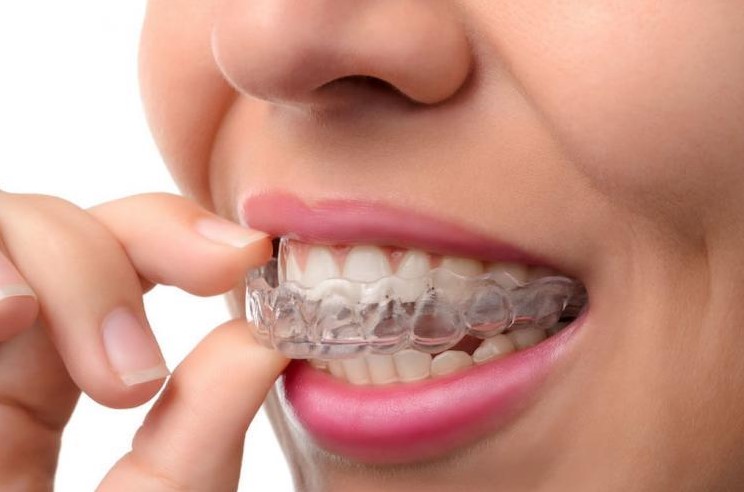
Mild cases may not require treatment, Drerup says. But in more serious cases, where symptoms are causing problems and discomfort, “evaluation by a dentist or physician is essential”, she says. Dentists can make a custom nightguard. While this won’t stop the grinding, it will protect the teeth from damage.
Sleep hygiene and behavioral adjustments are key to managing sleep bruxism, says Alraqiq. “Keeping a regular schedule, limiting caffeine, and creating a calm sleep environment can reduce triggers,” he says.
In addition, Giri suggests relaxation techniques and cognitive behavioral therapy to manage the stress and anxiety which may lead to teeth grinding.
In severe cases, healthcare providers may recommend botulinum toxin (Botox) injections, says Drerup. These can help “relax jaw muscles temporarily and reduce pain”.
Giving your sleeping partner some nice earplugs probably wouldn’t hurt either.
