

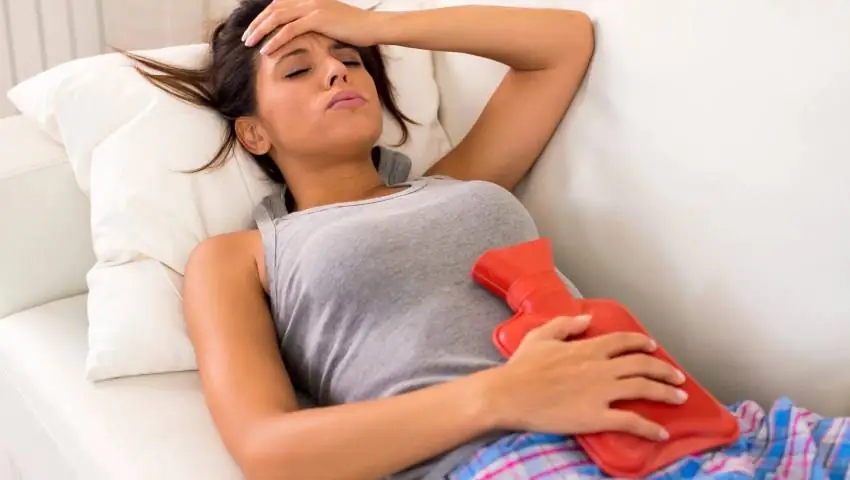
For millions of women, menstruation comes with an unwelcome monthly visitor: painful cramps. While some experience mild discomfort that disappears within a few hours, others endure intense lower abdominal pain that makes it difficult to attend school, go to work, sleep comfortably, or carry out everyday activities.....Continue Reading Full Details Here.
But why do some women experience more painful periods than others? And when should menstrual cramps become a reason to worry?
Painful periods are not always something you simply have to endure. From hormonal changes and stress to underlying medical conditions, several factors can contribute to menstrual pain. Understanding the possible causes can help you find relief and recognize when it is time to seek medical attention.
Here are seven possible reasons your period may be hurting more than usual and what you can do about it.
1. Your Body May Be Producing More Pain-Triggering Chemicals
One of the most common causes of menstrual cramps is the production of chemicals called prostaglandins.
During menstruation, the uterus contracts to shed its lining. Prostaglandins help trigger these contractions, but higher levels can cause stronger contractions and more intense pain.
This pain, known medically as dysmenorrhea, may feel like a dull ache, sharp cramps, or pressure in the lower abdomen. Some women also experience lower back pain, nausea, diarrhoea, headaches, or fatigue.
The good news? Menstrual cramps can often be managed with treatments such as heat therapy and appropriate pain-relieving medication.
2. Hormonal Changes Could Be Making Your Periods More Uncomfortable
Hormones help regulate the menstrual cycle, and changes in hormone levels can affect how your body responds throughout the month.
However, painful periods are not necessarily caused by a hormonal imbalance. Prostaglandins, underlying reproductive conditions, and individual differences in pain sensitivity can also play important roles.
If your periods have suddenly become more painful, irregular, unusually heavy, or different from your normal cycle, consider speaking with a healthcare professional to identify the cause.
3. Endometriosis Could Be Behind Severe Period Pain
If your menstrual cramps are so severe that you struggle to get out of bed, miss work, or cancel important activities, do not automatically assume that the pain is normal.
One possible cause is endometriosis, a condition in which tissue similar to the lining of the uterus grows outside the uterus.
Common symptoms may include:
- Severe menstrual cramps that interfere with daily activities.
- Pelvic pain that occurs outside your period.
- Pain during or after sexual intercourse.
- Pain when passing urine or stool, particularly during menstruation.
- Difficulty getting pregnant in some cases.
Not everyone with endometriosis experiences all these symptoms, and severe cramps alone do not confirm the condition. A medical evaluation can help determine whether endometriosis or another problem may be responsible.
Important: Period pain that repeatedly disrupts your everyday life deserves medical attention.
4. Uterine Fibroids or Other Reproductive Conditions May Be Responsible
Uterine fibroids are non-cancerous growths in or around the uterus. Depending on their size and location, they may cause painful periods, heavy menstrual bleeding, pelvic pressure, or a feeling of fullness in the lower abdomen.
Other conditions, including adenomyosis and pelvic inflammatory disease, can also cause menstrual or pelvic pain.
Pelvic inflammatory disease is an infection involving the reproductive organs that may require prompt medical treatment.
Watch out for symptoms such as unusually heavy bleeding, persistent pelvic pain, fever, foul-smelling vaginal discharge, or pain that occurs outside menstruation. These symptoms should not be ignored.
A healthcare professional can assess your symptoms and determine whether tests or treatment are necessary.
5. Stress and Poor Sleep May Make the Pain Feel Worse
Stress does not necessarily cause menstrual cramps directly, but it can influence how the body experiences and manages pain.
When you are under prolonged stress or not getting enough sleep, your ability to cope with discomfort may decrease. You may also find it harder to maintain healthy routines during your period.
To support your well-being during menstruation:
- Aim for a consistent sleep schedule.
- Try gentle stretching, breathing exercises, or relaxation techniques.
- Take breaks when possible and avoid pushing yourself beyond your limits.
- Seek support if stress is becoming difficult to manage.
These habits may help you cope with menstrual discomfort, although they cannot treat every underlying cause of painful periods.
6. Smoking and Certain Lifestyle Habits May Contribute to Menstrual Discomfort
Your daily habits can influence your overall health and may affect your experience of menstrual pain.
Research has linked smoking with an increased risk of painful menstruation. Limited physical activity may also contribute to poorer overall well-being, while regular exercise can help some women manage cramps.
Caffeine affects people differently, and evidence that it directly worsens menstrual cramps is limited. If you notice that coffee, energy drinks, or other caffeinated beverages interfere with your sleep or make you feel uncomfortable, reducing your intake may help.
Rather than blaming yourself for painful periods, focus on manageable changes that support your health.
7. Your Diet and Daily Routine May Affect How You Feel During Your Period
There is no single food that can eliminate menstrual cramps, but balanced nutrition, adequate fluids, sleep, and regular physical activity can support your general health.
During your period, consider eating a variety of foods, including:
- Fruits and vegetables: Provide vitamins, minerals, and fibre.
- Whole grains: Help provide energy and support digestive health.
- Beans, lentils, nuts, and seeds: Supply nutrients such as magnesium and iron.
- Iron-rich foods: Can be especially important if you experience heavy menstrual bleeding.
- Water and other suitable fluids: Help maintain hydration.
You do not need an expensive diet or special supplement to manage period pain. Be cautious of products that promise to balance your hormones or permanently cure menstrual cramps without reliable medical evidence.
5 Practical Ways to Relieve Period Cramps at Home
If menstrual pain is interfering with your day, a few practical measures may help ease the discomfort.
1. Apply Heat to Your Lower Abdomen
A heating pad or hot-water bottle wrapped in a towel can help relax muscles and relieve menstrual cramps.
Avoid placing very hot objects directly against your skin, and do not fall asleep with an active heating device unless it is specifically designed for that use.
2. Try Gentle Exercise
Walking, gentle yoga, and light stretching may help reduce menstrual pain for some women.
You do not need to perform intense workouts. Start with movements that feel comfortable, and rest if you feel unwell.
3. Consider Appropriate Pain Relief
Non-steroidal anti-inflammatory drugs, such as ibuprofen or naproxen, can help relieve menstrual cramps by reducing prostaglandin production.
These medicines are not suitable for everyone, including some people with stomach ulcers, kidney problems, certain cardiovascular conditions, or those taking particular medications. They may also be unsuitable during pregnancy.
Follow the product instructions and ask a pharmacist or healthcare professional if you are unsure which medicine is appropriate for you.
4. Prioritize Sleep and Hydration
Getting adequate rest and drinking enough fluids can support your general well-being during menstruation.
If you experience diarrhoea or vomiting alongside cramps, maintaining hydration becomes particularly important.
5. Track Your Menstrual Symptoms
Keep a record of when your period starts, how severe your cramps are, how heavy your bleeding is, and whether you experience symptoms outside menstruation.
Tracking these patterns can help you recognize changes and give your healthcare professional useful information when discussing possible causes and treatments.
When Should You See a Doctor About Period Pain?
Although mild menstrual cramps are common, severe or unusual pain should not be dismissed.
Arrange a medical assessment if:
- Your cramps regularly prevent you from working, studying, sleeping, or performing everyday activities.
- Your period pain is becoming progressively worse.
- You develop new or persistent pelvic pain.
- You experience unusually heavy bleeding or bleeding between periods.
- Pain relief measures no longer seem to help.
- You have difficulty getting pregnant and are concerned about associated menstrual symptoms.
Seek urgent medical care if you experience sudden, severe pelvic or abdominal pain, especially with fainting, fever, persistent vomiting, or possible pregnancy. Heavy bleeding accompanied by dizziness, weakness, or fainting also requires urgent assessment.
These symptoms may indicate a condition that needs prompt treatment.
Final Thoughts: You Do Not Have to Suffer Through Every Period
Painful periods can affect more than your physical comfort. They can interfere with work, education, relationships, sleep, and everyday life.
Although uterine contractions and prostaglandins are common causes of menstrual cramps, conditions such as endometriosis, fibroids, adenomyosis, and pelvic inflammatory disease may also be responsible.
Heat therapy, gentle exercise, appropriate medication, and healthy daily routines may provide relief. However, persistent or severe pain deserves proper medical evaluation rather than being dismissed as an unavoidable part of being a woman.
Have your menstrual cramps become more painful than they used to be? Pay attention to the changes, seek medical advice when necessary, and remember that effective treatment options are available.
Power Of Favor? (Silent, Spiritual, Dominant) You won't miss out on your desires with silent, spiritual and dominant power of favor against obstacles(spiritual and physical) Dominate and achieve with DOMINANT POWER OF FAVOR. DESIRES: in undertakings, business, profession, patronage, office work, occupation, etc POSITION: leadership position, financial position, attractive position, elevation, fame, power, etc. LOVE: reunion with lover, love matters, marriage, etc OTHER MATTERS: people/crowd, alternative healings, herbs, prevention/protection, etc For more on Dominant Power Of Favor, spiritual consultation, solutions, Call/ Whatsapp Dr. J.A. Faros on 07030514063. All power to God
