

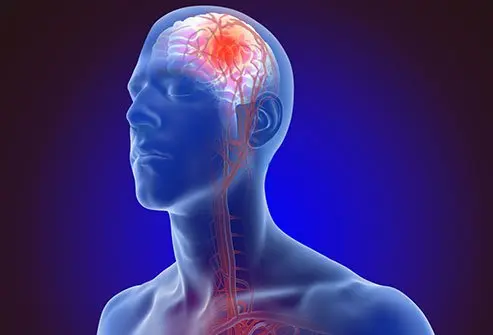
A stroke is a medical emergency, and every minute matters. When blood flow to part of the brain is interrupted or a blood vessel in the brain bursts, brain cells can begin to become damaged within minutes. Getting emergency medical treatment as quickly as possible can reduce the risk of permanent brain damage and disability.
The effects of a stroke depend on which part of the brain is affected and how long blood flow is disrupted. Some survivors may experience weakness or paralysis on one side of the body, difficulty speaking or swallowing, problems with memory and thinking, vision problems, or changes in mood and emotions.
The good news is that many stroke risk factors can be reduced through healthier lifestyle choices.

One important area to pay attention to is your diet. Here are four things you should limit if you want to reduce your risk of stroke and protect your long-term health.
1. Highly Salty and Processed Soups
Canned, instant, and ready-to-eat soups can contain surprisingly large amounts of sodium.
Eating too much sodium can raise blood pressure, and high blood pressure is one of the most important risk factors for stroke.
Instead of relying heavily on canned or instant soups, consider preparing homemade soups using fresh ingredients. You can also reduce the amount of salt added during cooking.
When buying packaged foods, check the nutrition label and compare the sodium content between products.
2. Excessive Alcohol
Drinking too much alcohol can increase the risk of several health problems, including high blood pressure and stroke.
The risk generally becomes greater with heavier alcohol consumption. If you drink alcohol, keeping your intake low is a safer choice than heavy or binge drinking.
For people who do not drink, there is no health reason to start drinking alcohol.
3. Processed Meats
Foods such as bacon, sausages, hot dogs, salami, ham, and other processed or cured meats can be high in sodium and saturated fat.
Regularly eating large amounts of processed meat is associated with several health risks, particularly when it replaces healthier foods in the diet.
Try choosing alternatives such as fish, beans, lentils, nuts, poultry, and other minimally processed sources of protein.
4. Large Amounts of Red Meat
Red meat, including beef, pork, and lamb, can be part of a balanced diet, but regularly eating large quantities—especially processed red meat—may increase cardiovascular risk.
Instead of making red meat the main source of protein at every meal, consider eating more fish, beans, lentils, nuts, poultry, and vegetables.
You don’t necessarily have to eliminate red meat completely. The goal is to maintain a balanced diet and avoid consistently consuming large portions.
Other Ways to Reduce Your Stroke Risk
Diet is only one part of stroke prevention. You can also reduce your risk by:
Keeping your blood pressure under control
Not smoking
Staying physically active
Maintaining a healthy weight
Managing diabetes and cholesterol
Eating more fruits, vegetables, whole grains, and other minimally processed foods
Limiting excessive alcohol consumption
Following your doctor’s advice if you have conditions that increase your stroke risk
Know the Warning Signs of Stroke
A stroke can happen suddenly. Remember FAST:
F — Face: Does one side of the face droop?
A — Arms: Is one arm weak or numb?
S — Speech: Is speech slurred or difficult to understand?
T — Time: Call emergency medical services immediately.
Other warning signs can include sudden vision problems, severe unexplained headache, dizziness, confusion, or difficulty walking.
Do not wait for the symptoms to disappear. A stroke requires urgent medical attention.
Taking care of your blood pressure, eating a balanced diet, staying active, and avoiding harmful habits can all help lower your risk.
