

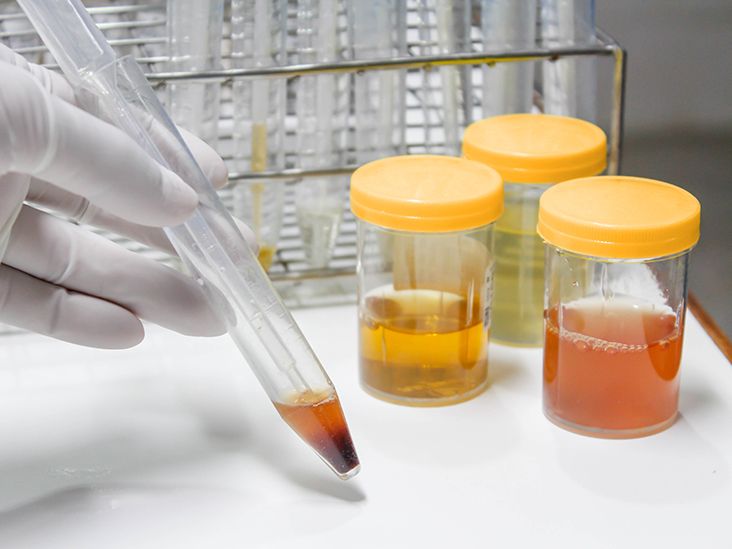
Your urine can sometimes provide important clues about what may be happening in your body. Although changes in urine do not always mean you have kidney disease, persistent or unusual changes should not be ignored.Here are some signs that may be noticeable:
1. Foamy or Excessively Bubbly Urine
Occasional bubbles are usually normal, especially when urinating quickly. However, urine that is consistently very foamy may sometimes be associated with protein in the urine, which can be a sign of kidney problems.
2. Blood in the Urine
Urine that appears pink, red, or cola-colored may indicate blood. This can happen for several reasons, including kidney stones, infections, or kidney disease. It should be checked by a healthcare professional.
3. Very Dark Urine
Dark urine is often caused by dehydration, but persistent brown or tea-colored urine can sometimes be associated with medical conditions affecting the kidneys or other organs.
4. Cloudy Urine
Cloudy urine may be caused by dehydration, urinary tract infections, crystals, or other conditions. If it continues or comes with pain or fever, medical attention may be necessary.
5. Changes in How Often You Urinate
Needing to urinate much more or much less than usual can sometimes be linked to kidney or urinary tract problems, especially when the change is persistent.
6. Pain or Burning When Urinating
Burning or pain during urination is commonly associated with urinary tract infections, but infections can sometimes spread and affect the kidneys if left untreated.
7. Unusual Smell in the Urine
Strong-smelling urine can simply result from dehydration or certain foods. However, persistent unusual odor combined with other symptoms may indicate an infection or another health issue.
When Should You See a Doctor?
Seek medical advice if you notice blood in your urine, persistent foamy urine, major changes in urine output, or urine changes accompanied by swelling, severe pain, fever, or unexplained fatigue.
Remember: Urine changes alone cannot diagnose kidney disease. A simple urine test and blood tests can help a healthcare professional check how well your kidneys are functioning.
Power Of Favor? (Silent, Spiritual, Dominant) You won't miss out on your desires with silent, spiritual and dominant power of favor against obstacles(spiritual and physical) Dominate and achieve with DOMINANT POWER OF FAVOR. DESIRES: in undertakings, business, profession, patronage, office work, occupation, etc POSITION: leadership position, financial position, attractive position, elevation, fame, power, etc. LOVE: reunion with lover, love matters, marriage, etc OTHER MATTERS: people/crowd, alternative healings, herbs, prevention/protection, etc For more on Dominant Power Of Favor, spiritual consultation, solutions, Call/ Whatsapp Dr. J.A. Faros on 07030514063. All power to God
