

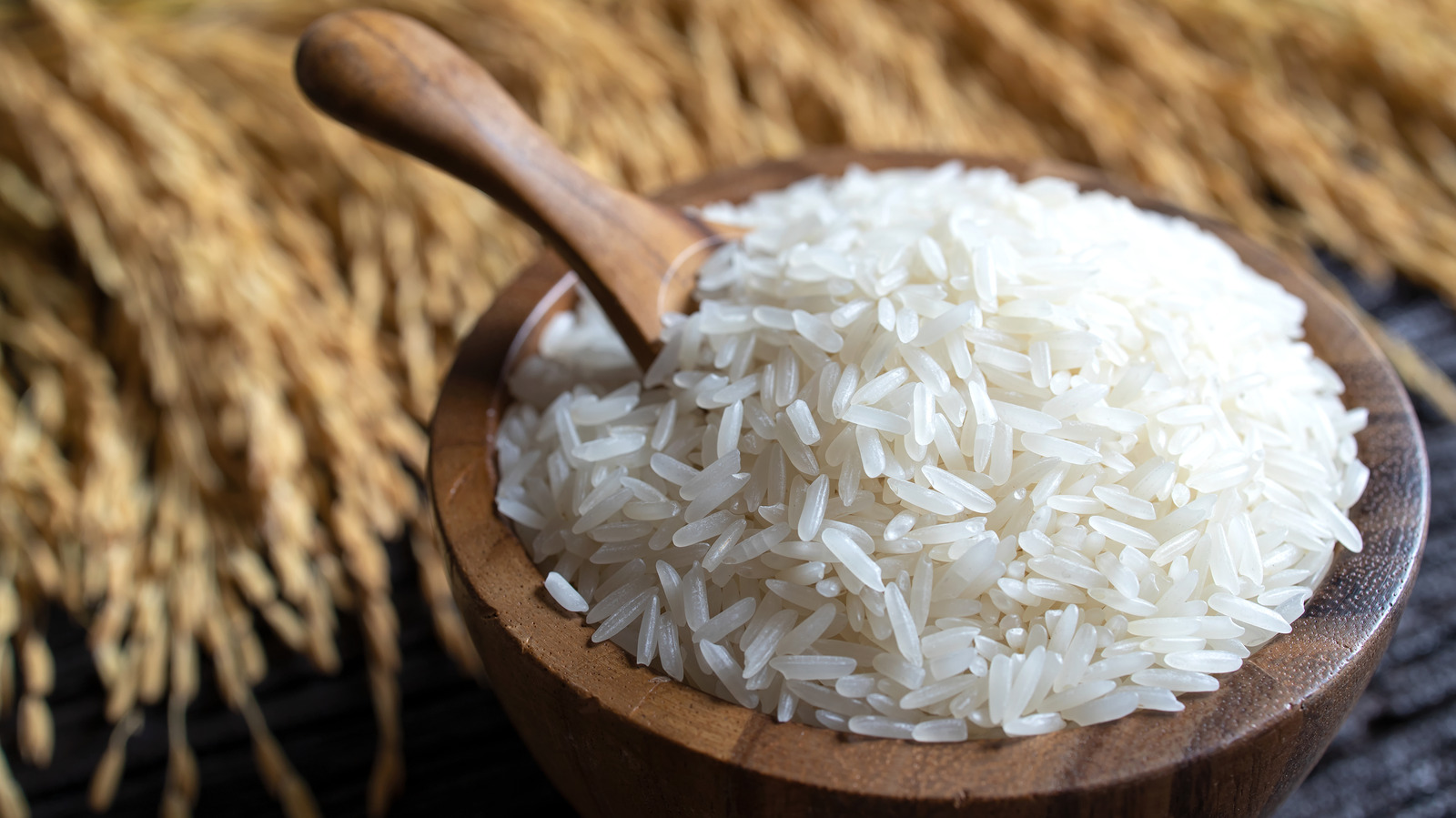
White rice is one of the most popular staple foods in Nigeria and many other parts of the world. It is affordable, easy to prepare and can be enjoyed with vegetables, beans, fish, meat and different types of sauces.....Continue Reading Full Details Here.
However, eating large amounts of white rice regularly may have some health implications, particularly when it makes up a major part of the diet without enough fibre, protein and other nutrient-rich foods.
White rice is a refined grain. During processing, the bran and germ are removed, leaving mostly the starchy endosperm. Although some nutrients may be added back through fortification, white rice generally contains less fibre than brown rice and other whole grains.
PLEASE ADULT ONLY: How To Make A Woman Wet Instantly - Watch The Full Video

Here are some potential concerns associated with eating too much white rice.
1. It may cause blood sugar to rise quickly
White rice is relatively high on the glycaemic index, meaning it can raise blood glucose more rapidly than many less-refined carbohydrate sources.
Eating large portions frequently may therefore contribute to repeated blood-sugar spikes, particularly when the meal contains little fibre, protein or healthy fat.
People living with diabetes or those at increased risk of developing the condition may need to pay particular attention to portion sizes and the overall composition of their meals.
2. It may contribute to weight gain
Rice itself does not automatically cause weight gain. The bigger issue is how much is consumed and how it fits into a person’s total calorie intake.
Large portions of white rice, especially when combined with calorie-dense sauces, fried foods or sugary drinks, can make it easier to consume more calories than the body needs.
Over time, consistently eating more calories than the body uses can contribute to weight gain.
3. It contains less fibre than whole grains
The refining process removes much of the fibre found naturally in the outer layers of the grain.
Fibre is important for digestive health and can also help with feelings of fullness after meals.
Replacing some white rice with brown rice, unrefined grains, beans, vegetables or other fibre-rich foods can help increase overall fibre intake.
4. It can make meals less nutritionally diverse
Eating very large portions of rice can leave less room on the plate for foods that provide protein, healthy fats, vitamins, minerals and fibre.
A meal built mainly around rice may therefore be less nutritionally balanced than one that combines a moderate rice portion with vegetables and a good source of protein.
5. It may be a concern when consumed excessively
Moderate consumption of white rice can fit into a healthy diet.
The concern is more likely to arise when large portions are eaten very frequently while other nutritious foods are limited.
The nutritional impact also depends on what accompanies the rice. Rice served with vegetables, beans, fish, eggs or lean meat creates a more balanced meal than a large plate of rice consumed with little protein or fibre.
How to make rice meals healthier
You do not necessarily need to stop eating white rice to maintain a healthy diet.
Instead, consider reducing portion sizes and adding more vegetables and protein to your meals.
You can also occasionally replace white rice with brown rice, unripe plantain, whole grains, beans or other fibre-rich carbohydrate sources.
Adding vegetables such as carrots, green beans, spinach, cabbage or peppers can also increase the nutritional value of a rice-based meal.
The bottom line
White rice can be part of a healthy diet, but regularly eating very large portions may make it harder to control blood sugar, manage weight and consume enough dietary fibre.
The goal is not necessarily to eliminate rice but to pay attention to portion size, meal balance and overall dietary variety.
A balanced plate containing a reasonable portion of rice alongside vegetables and a good source of protein can be a healthier approach than relying heavily on rice at every meal.
