

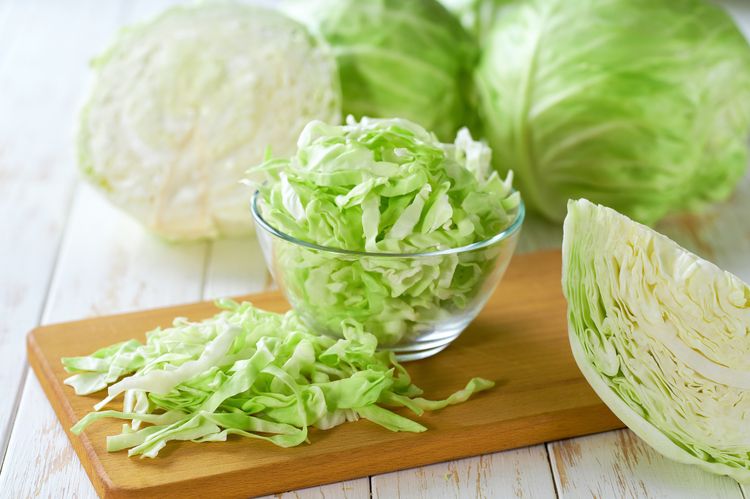
Cabbage has several possible health benefits, such as improved bone and heart health. Cabbage is also good for you because its nutritional value includes being a source of filling fiber and vitamins C and K. It’s low in calories, with about 17.5 per cup of raw, shredded cabbage.
Cabbage (Brassica oleracea) is a cruciferous vegetable originally from Europe. You can enjoy cabbage cooked or raw, but it’s important you prepare it the right way to reap its benefits. Cooking cabbage can reduce its nutrients. Opt for quick-cooking methods like stir-frying or eating it raw in a salad or slaw.
1. Weight Loss
Try replacing calorie-dense foods with low-calorie ones if you are trying to lose weight. Raw, shredded cabbage has 17.5 calories per cup. It’s a low-calorie option that can help you lose or manage weight. Many low-calorie, nutrient-rich foods are pricey, but cabbage is relatively inexpensive.
2. Blood Pressure Regulation
More than one billion people globally have hypertension (high blood pressure), which is a risk factor for heart disease and stroke.3 Cabbage is a source of potassium, which helps control blood pressure.
Potassium is a mineral that aids in nerve and muscle function and helps maintain a regular heart rhythm. Consuming potassium can also counteract the effects of sodium.4 Sodium can cause high blood pressure if too much of it builds up in your blood.
3. Improved Bone Health
Cabbage contains vitamin K, which is essential for bone health and blood clotting. About 53 micrograms of vitamin K are in 1 cup of raw cabbage.1 Men and women need 120 micrograms and 90 micrograms of vitamin K per day.
Vitamin K deficiency is rare. Some people, such as those with digestive disorders like celiac disease and ulcerative colitis, may be at risk. Too little vitamin K can lead to an increased risk of osteoporosis and bleeding problems. Osteoporosis is characterized by brittle, weak bones that fracture easily.
4. Lower Heart Disease Risk
You might not immediately think of cabbage as a heart-healthy food, but you may want to add it to your diet. Research has shown that cabbage has anti-inflammatory benefits that help reduce heart disease risk.
One study found that women aged 74 years and older who ate more cruciferous vegetables were 46% less likely to have abdominal aortic calcification (AAC).8 AAC can be a predictor of future heart-related events.
5. Reduced Inflammation
Chronic inflammation is long-term inflammation that persists for months to years. It can damage the cells in your body and increase the risk of several conditions. Arthritis, cancer, diabetes, and heart disease have been linked to chronic inflammation.
One study found that eating cruciferous vegetables, such as cabbage, reduced inflammatory markers in adults aged 20-40 years old. Isothiocyanates are compounds found in cabbage. They have antioxidant-like properties and can protect cells against damage.
6. Boost in Vitamin C
Cabbage can provide a significant amount of vitamin C if you need to add more to your diet. Getting enough vitamin C in your diet is important since the body does not make it naturally.
Vitamin C is an antioxidant that helps your body absorb iron from plant-based foods. It also makes collagen to heal wounds and supports immune function.
7. Better Digestion
Cabbage can help you get more fiber in your diet. Two cups of raw shredded cabbage have nearly 4 grams of fiber.1 The recommended daily intake is 21-38 grams for adults.
Fiber adds bulk to your meals to keep you full for long periods. High-fiber foods like cabbage can alleviate constipation, control blood glucose (sugar), improve gut health, and lower total cholesterol.
MedlinePlus. Fiber.
8. May Prevent Cancer Cell Growth
Cruciferous vegetables like cabbage contain glucosinolates. These sulfur-containing chemicals are responsible for cabbage’s bitter taste.13 Research has found that your body breaks down glucosinolates into compounds that may have anti-cancer benefits.
Eating cabbage does not entirely prevent cancer. More studies are needed to determine the cancer-fighting benefits of cruciferous vegetables. However, cabbage is still a healthy addition to any diet, so incorporating it into your meals can be a good idea.
Power Of Favor? (Silent, Spiritual, Dominant) You won't miss out on your desires with silent, spiritual and dominant power of favor against obstacles(spiritual and physical) Dominate and achieve with DOMINANT POWER OF FAVOR. DESIRES: in undertakings, business, profession, patronage, office work, occupation, etc POSITION: leadership position, financial position, attractive position, elevation, fame, power, etc. LOVE: reunion with lover, love matters, marriage, etc OTHER MATTERS: people/crowd, alternative healings, herbs, prevention/protection, etc For more on Dominant Power Of Favor, spiritual consultation, solutions, Call/ Whatsapp Dr. J.A. Faros on 07030514063. All power to God
