

Fruits are widely celebrated for their vitamins, minerals, fiber, and antioxidants. But did you know that some fruits and fruit seeds can cause serious poisoning if eaten raw, consumed in excessive amounts, or prepared incorrectly?
From a tropical fruit that can trigger dangerously low blood sugar to a seemingly harmless star-shaped fruit that can be deadly for people with kidney disease, these natural foods come with risks that many people may not know about.
Some contain naturally occurring toxins, while others become dangerous under specific conditions. In certain cases, even a small amount can cause severe illness, making proper identification, preparation, and moderation essential.
Here are five dangerous fruits and fruit products that deserve extra caution, including the health risks, warning signs, and precautions everyone should know.
1. Ackee Fruit: The Tropical Fruit That Can Cause Fatal Poisoning
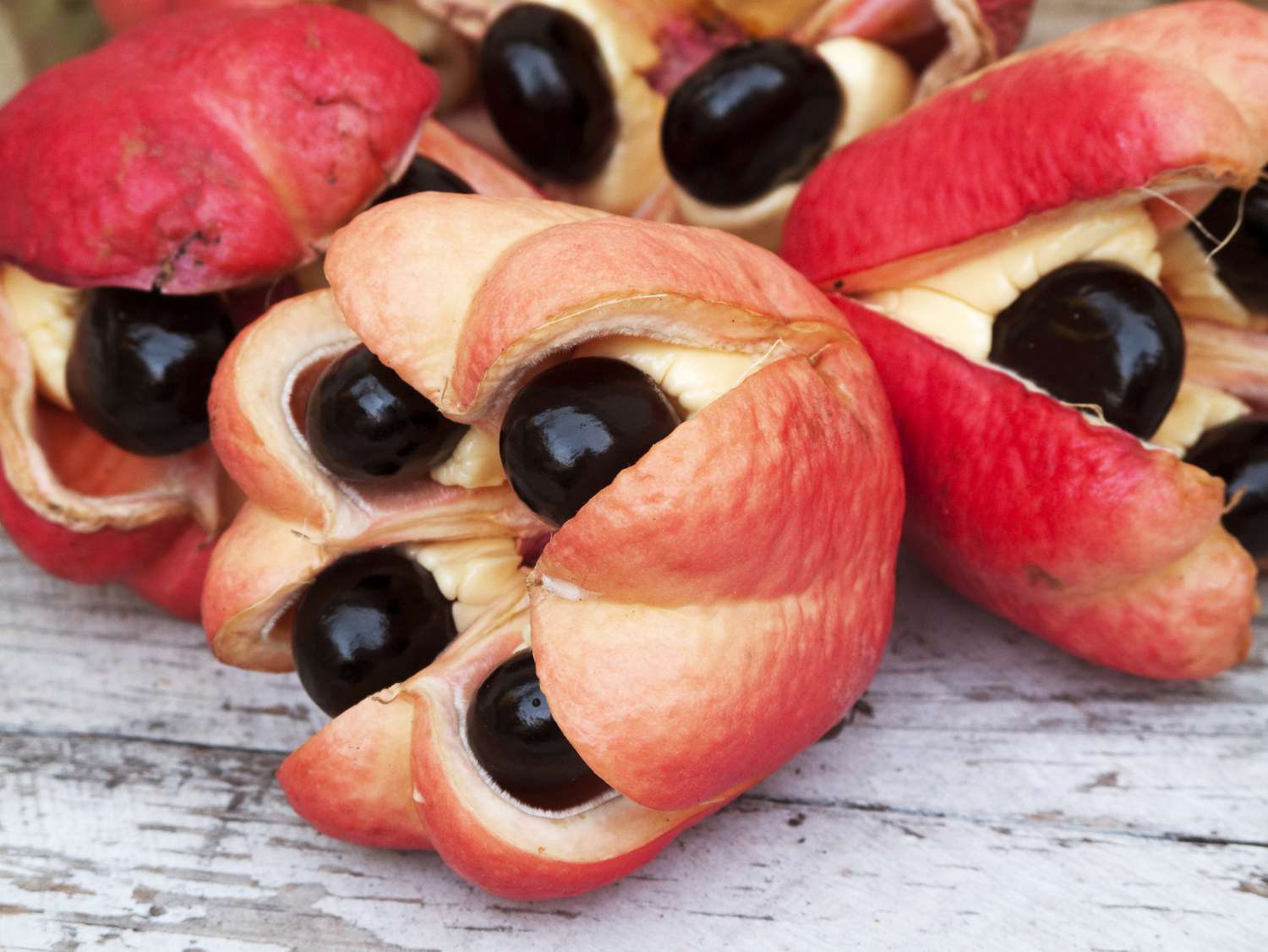
Ackee (Blighia sapida) is Jamaica’s national fruit and a popular ingredient in traditional Caribbean cuisine. Its creamy yellow flesh is commonly cooked with saltfish, but eating unripe ackee can have devastating consequences.
The danger comes from naturally occurring toxins called hypoglycin A and hypoglycin B, particularly in unripe fruit. Hypoglycin A interferes with the body’s ability to break down fatty acids for energy, potentially causing severe hypoglycemia, or dangerously low blood sugar.
Severe poisoning can lead to repeated vomiting, weakness, seizures, coma, and death. The condition is commonly known as Jamaican vomiting sickness.
What makes ackee dangerous?
- Unripe ackee contains potentially dangerous levels of hypoglycin toxins.
- The seeds are toxic and must never be eaten.
- Improperly harvested or prepared ackee can cause severe poisoning.
- Children and malnourished individuals may be especially vulnerable to serious complications.
Can ackee be eaten safely?
Yes. Properly matured ackee that has opened naturally can be eaten when prepared correctly. The toxic seeds and other unsafe portions must be discarded, and the flesh must be thoroughly cooked. Commercially processed ackee from reputable sources is another option.
Important warning: Never eat closed, unripe ackee pods or attempt to make them safe simply by cooking them.
2. Raw Elderberries: The Popular Berry That Can Make You Seriously Sick
Elderberries are widely used in syrups, jams, teas, and other preparations marketed for their potential health benefits. However, raw or improperly prepared elderberries can cause unpleasant and potentially serious symptoms.
Certain elderberry species contain cyanogenic compounds, including sambunigrin, while other plant parts contain additional substances that can contribute to toxicity. These compounds may release cyanide under certain conditions.
Eating raw or unripe elderberries, as well as consuming their leaves or stems, can cause nausea, vomiting, abdominal cramps, and diarrhea. More serious poisoning is possible, depending on the plant material, quantity consumed, and preparation.
Why should you be careful with elderberries?
- Raw or unripe berries can cause gastrointestinal illness.
- Leaves, stems, and other plant parts should not be used casually in homemade preparations.
- Incorrectly prepared juices or other foraged products may expose consumers to toxic compounds.
- Misidentifying wild berries can introduce additional poisoning risks.
How can you consume elderberries more safely?
Use correctly identified elderberries from a reliable source and follow established cooking and processing instructions. Proper heating can reduce relevant toxins, but do not assume every homemade preparation is safe simply because it has been warmed.
3. Star Fruit: The Healthy-Looking Fruit That Can Be Dangerous for Kidney Patients
Star fruit (Averrhoa carambola) is a tropical fruit recognized by its distinctive star-shaped slices. It is refreshing, contains vitamin C, and is enjoyed in many parts of the world.
However, this fruit can pose a serious health threat to people with chronic kidney disease or impaired kidney function.
Star fruit contains oxalates and a neurotoxin called caramboxin. Healthy kidneys can generally eliminate these substances, but impaired kidneys may not clear them effectively, allowing toxic effects to develop.
Symptoms of star fruit poisoning may include persistent hiccups, nausea, vomiting, confusion, agitation, and seizures. Severe cases can lead to coma or death.
Star fruit has also been associated with acute kidney injury in some cases.
Who should avoid star fruit?
People with chronic kidney disease, those receiving dialysis, and individuals with known impaired kidney function should avoid star fruit unless their treating clinician explicitly advises otherwise. Poisoning has occurred even after relatively small amounts in susceptible individuals.
People with healthy kidneys generally tolerate ordinary dietary amounts, but excessive consumption is not advisable.
The key takeaway: A fruit that is nutritious for one person may be dangerous for another. If you have kidney disease, do not assume star fruit juice is safe simply because it is natural.
4. Manchineel Fruit: The Poisonous Fruit Known as the “Little Apple of Death”
The manchineel tree (Hippomane mancinella) grows in parts of the Caribbean, Central America, and southern Florida. Its small green fruits resemble apples, but their innocent appearance hides a serious hazard.
The tree is notorious for its irritating, toxic sap and other harmful plant compounds. Exposure to its fruit can cause intense burning in the mouth and throat, painful gastrointestinal symptoms, and significant inflammation.
The danger does not stop at eating the fruit. Contact with the tree’s milky sap can cause skin irritation, blistering, and eye injuries.
What makes the manchineel tree so hazardous?
- Its fruit should never be eaten.
- Its sap can severely irritate the skin and eyes.
- Smoke from burning the tree may irritate the respiratory system and eyes.
- Rainwater dripping from the tree can carry irritating sap, so sheltering beneath it is unwise.
Manchineel trees may be marked with warning signs in areas where they grow, especially near beaches and coastal walking routes.
What should you do if you encounter one?
Do not touch, taste, collect, or burn any part of the tree. If exposure occurs, move away from the source and rinse affected skin or eyes with plenty of clean water. Seek urgent medical advice for eye exposure, severe symptoms, or suspected ingestion.
5. Apricot Kernels: The Seeds Promoted Online That Can Release Cyanide
Apricots are popular fruits, but their kernels—the seeds found inside the hard stone—can be dangerous when eaten raw.
Apricot kernels contain amygdalin, a compound that can release cyanide when broken down during digestion. Cyanide interferes with the body’s ability to use oxygen, potentially causing life-threatening poisoning.
Despite claims circulating online that apricot kernels or laetrile can cure cancer, there is no reliable clinical evidence that they provide an effective cancer treatment.
Eating too many kernels can cause cyanide poisoning. Possible symptoms include headache, dizziness, nausea, weakness, confusion, breathing difficulties, seizures, and loss of consciousness.
Why are apricot kernels risky?
- Their cyanide content can vary substantially.
- Chewing or crushing kernels can facilitate the release of cyanide.
- The amount required to cause poisoning is not reliably predictable from appearance or taste.
- Products promoted as natural cancer remedies may encourage dangerous consumption.
Are apricot kernels safe to eat?
Do not use raw apricot kernels as a food supplement or cancer treatment. Avoid relying on a supposedly safe number of kernels, because cyanide exposure varies with the product and the individual.
If someone develops symptoms after consuming apricot kernels, seek emergency medical care immediately.
What Should You Do If You Accidentally Eat a Poisonous Fruit?
Suspected fruit poisoning should never be ignored, particularly when the fruit is wild, unidentified, or known to contain toxins.
Follow these precautions:
- Stop eating the fruit immediately. Do not consume more to see whether symptoms develop.
- Do not induce vomiting. This can create additional risks.
- Seek urgent medical or poison-control advice. Do not wait for symptoms if a potentially toxic fruit or seed has been swallowed.
- Keep a sample or photograph if it is safe to do so. Accurate identification may help medical professionals assess the exposure.
- Watch for emergency symptoms. Difficulty breathing, confusion, seizures, collapse, or severe vomiting require immediate emergency assistance.
Do not attempt to neutralize suspected toxins with home remedies.
Frequently Asked Questions About Dangerous Fruits
What is the most poisonous fruit in the world?
There is no single universally accepted ranking of the world’s most poisonous fruits. The manchineel fruit is notorious for its toxicity, while unripe ackee can cause fatal hypoglycemic poisoning. The actual danger depends on the toxin, amount consumed, preparation, and the person’s health.
Can a fruit that is healthy for one person be dangerous for another?
Yes. Star fruit is a notable example because it can cause severe neurotoxicity in people with impaired kidney function, even though people with healthy kidneys generally tolerate normal dietary quantities.
Are fruit seeds more dangerous than the fruit itself?
Some seeds contain concentrated toxins. Apricot kernels, for example, contain amygdalin, which can release cyanide. Ackee seeds are also toxic. However, the risk varies widely between plant species, and not all fruit seeds are poisonous.
Can cooking remove toxins from poisonous fruits?
Cooking can reduce certain toxins in particular foods, but it does not make every poisonous fruit safe. Properly prepared elderberries and ripe, correctly prepared ackee are examples of foods for which preparation matters. Manchineel fruit should never be eaten, and raw apricot kernels should not be used as food supplements.
Should you stop eating fruit because some varieties are toxic?
Absolutely not. Most commonly consumed fruits are nutritious parts of a balanced diet. The important lesson is to identify unfamiliar fruits correctly, follow safe preparation practices, and understand any health conditions that may make particular foods dangerous.
Final Thoughts
Nature offers an incredible variety of nutritious foods, but not every fruit is safe in every circumstance. Ackee, raw elderberries, star fruit for people with kidney disease, manchineel fruit, and apricot kernels illustrate how naturally occurring toxins can turn an ordinary-looking food into a serious health hazard.
The safest approach is simple: know what you are eating, prepare it correctly, and never assume that a natural food is automatically safe.
If this information could help someone avoid accidental poisoning, share this article with friends and family. A little awareness can make a significant difference.
Power Of Favor? (Silent, Spiritual, Dominant) You won't miss out on your desires with silent, spiritual and dominant power of favor against obstacles(spiritual and physical) Dominate and achieve with DOMINANT POWER OF FAVOR. DESIRES: in undertakings, business, profession, patronage, office work, occupation, etc POSITION: leadership position, financial position, attractive position, elevation, fame, power, etc. LOVE: reunion with lover, love matters, marriage, etc OTHER MATTERS: people/crowd, alternative healings, herbs, prevention/protection, etc For more on Dominant Power Of Favor, spiritual consultation, solutions, Call/ Whatsapp Dr. J.A. Faros on 07030514063. All power to God
