

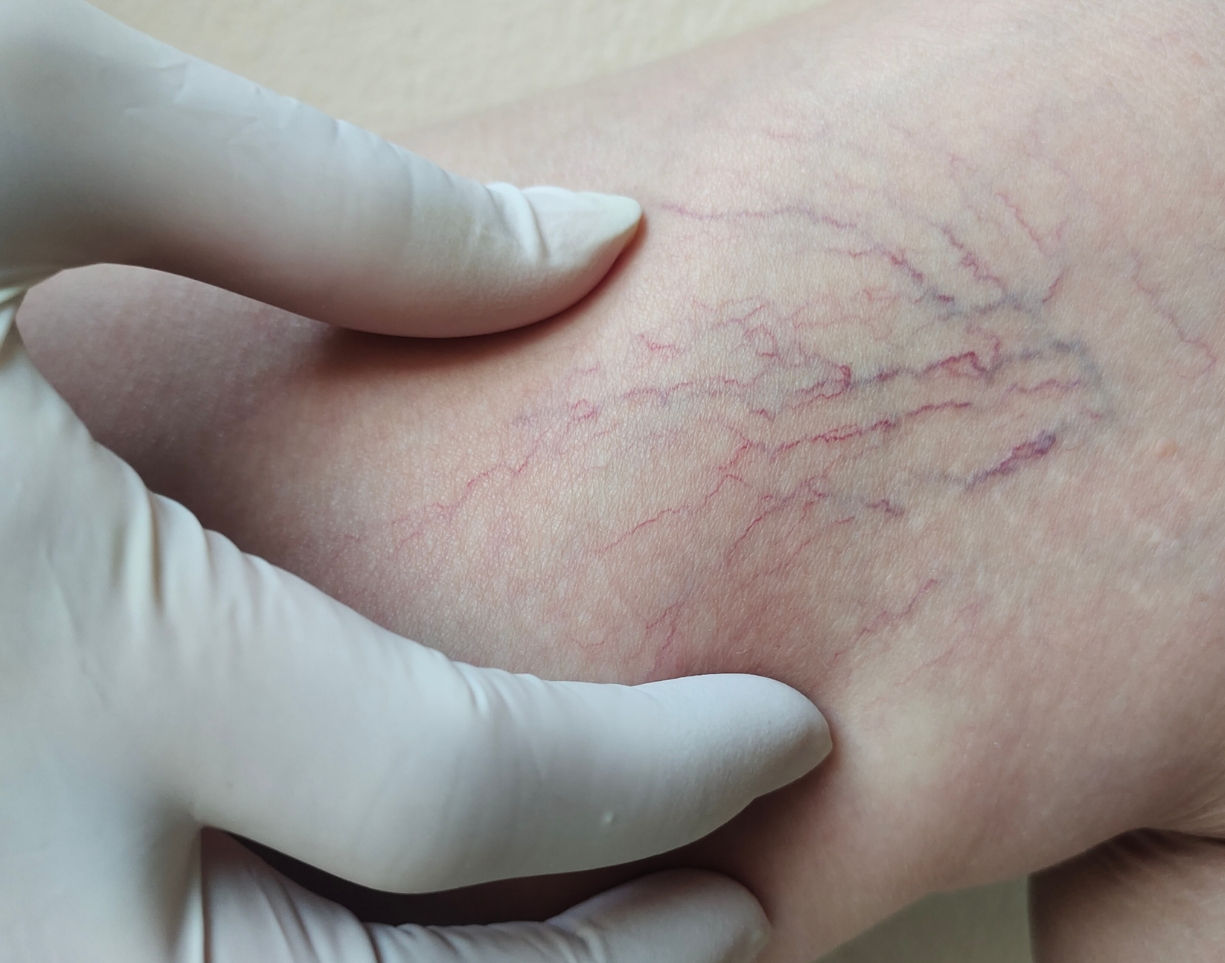
Have you ever wondered why some people have veins that are much more visible beneath their skin than others? While veins are naturally present and may be visible to some degree, several factors can make them appear more prominent.
Vein visibility varies from person to person and is often influenced by body composition, skin characteristics, genetics, age, and hydration. In many cases, visible veins are completely normal and are not necessarily a sign of an underlying health problem.
Here are five common reasons why your veins may be more noticeable under the skin.
1. Low Body Fat
One of the most common reasons for prominent veins is having a relatively low body-fat percentage.
A layer of subcutaneous fat sits between the skin and the veins. When this layer is thinner, veins can be closer to the surface of the skin and therefore easier to see.
This is particularly common among people who exercise regularly, have a lean physique, or participate in activities such as bodybuilding and endurance sports.
However, having visible veins does not automatically mean that someone has a low body-fat percentage, as other factors can also contribute to vein visibility.
2. Skin Tone and Skin Thickness
Skin characteristics can also affect how easily veins can be seen.
Veins may appear more noticeable through lighter or thinner skin because there can be greater visual contrast between the blood vessels and the skin. In addition, the natural thickness and structure of a person’s skin can influence how prominent underlying blood vessels appear.
This means that two people with similar body compositions may have very different levels of visible veins.
3. Genetics
Genetics can play an important role in determining how visible your veins are.
Some people naturally have thinner skin, different patterns of blood vessels, or veins that sit closer to the skin’s surface. These characteristics can be inherited, meaning prominent veins may be more common within certain families.
Therefore, if visible veins are common among your relatives, genetics could partly explain why yours are noticeable as well.
4. Age
Veins can become more prominent as a person gets older.
With age, the skin gradually becomes thinner and loses some of its elasticity. The body can also lose subcutaneous fat in certain areas, reducing some of the tissue that previously concealed blood vessels.
As a result, veins that were barely noticeable when you were younger may become more visible over time.
5. Dehydration
Your hydration status may temporarily affect how prominent your veins appear.
When you become dehydrated, changes in fluid balance and blood volume can affect the appearance of blood vessels. In some circumstances, veins may appear more pronounced, particularly when combined with exercise or a lean body composition.
Maintaining adequate fluid intake is important for normal circulation and overall health, although hydration alone does not determine whether someone’s veins will be visible.
Are Visible Veins a Cause for Concern?
In many cases, visible veins are simply a normal physical characteristic and do not require treatment.
However, a sudden change in the appearance of a vein should not automatically be dismissed, particularly if it occurs alongside symptoms such as pain, swelling, redness, warmth, tenderness, or skin discoloration.
If a vein suddenly becomes unusually prominent or you notice other concerning symptoms, consider speaking with a qualified healthcare professional for an appropriate evaluation.
Bottom Line
Visible veins can be influenced by body-fat percentage, skin characteristics, genetics, age, and hydration, among other factors. For many people, prominent veins are completely normal.
What matters most is whether the appearance is normal for you or represents a new or unusual change accompanied by other symptoms.
Power Of Favor? (Silent, Spiritual, Dominant) You won't miss out on your desires with silent, spiritual and dominant power of favor against obstacles(spiritual and physical) Dominate and achieve with DOMINANT POWER OF FAVOR. DESIRES: in undertakings, business, profession, patronage, office work, occupation, etc POSITION: leadership position, financial position, attractive position, elevation, fame, power, etc. LOVE: reunion with lover, love matters, marriage, etc OTHER MATTERS: people/crowd, alternative healings, herbs, prevention/protection, etc For more on Dominant Power Of Favor, spiritual consultation, solutions, Call/ Whatsapp Dr. J.A. Faros on 07030514063. All power to God

1 Comment
Leave Your Review