

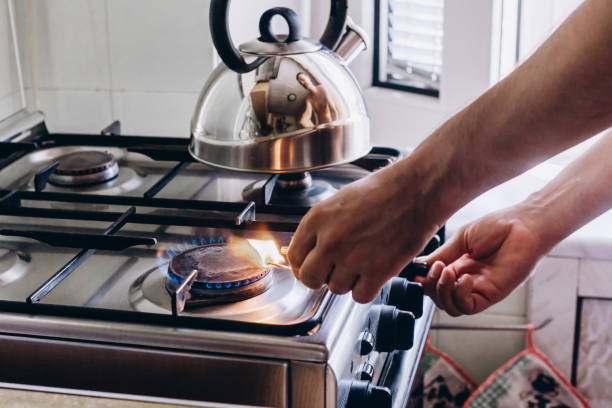
Cooking with gas has become increasingly popular in Nigeria and other parts of the world because gas cookers offer fast, convenient and efficient cooking. However, despite these benefits, improper handling, gas leaks and faulty equipment can pose serious risks to lives and property.
Gas fires and explosions are among the most dangerous hazards associated with cooking gas. Understanding how to prevent gas-related accidents and responding appropriately during an emergency can help households reduce risks and protect their families.
What to Do If a Gas Fire Starts
A gas fire requires immediate caution. If a fire breaks out, remain calm and prioritize your safety.
PLEASE ADULT ONLY: How To Make A Woman Wet Instantly - Watch The Full Video

Do not attempt to cover a burning gas cylinder with a wet towel or pour water directly onto a gas fire. These actions may increase the danger or expose you to burns and other injuries.
If it is safe to do so without approaching the flames or putting yourself at risk, turn off the gas supply. If you cannot safely reach the valve, do not attempt to do so. Evacuate the area immediately, keep others away from the danger zone and contact the fire service or emergency responders.
Do not re-enter the affected area until emergency personnel have confirmed that it is safe.
Important Gas Safety Precautions Every Household Should Follow
Preventing gas-related accidents begins with proper equipment maintenance, safe handling practices and awareness of potential warning signs.
1. Regularly Check the Gas Hose, Regulator and Connections
The gas hose, regulator and cylinder connections should be inspected regularly for cracks, damage, loose fittings and signs of leakage.
Damaged or worn-out components should be replaced with suitable parts by a qualified technician. Avoid using makeshift repairs, damaged hoses or poorly fitted connections, as these can increase the risk of gas escaping.
Safety tip: If you notice damage to any gas equipment, stop using it until it has been properly assessed and repaired or replaced.
2. Avoid Overfilling the Gas Cylinder
Overfilling a gas cylinder can increase safety risks, particularly when the cylinder is exposed to heat or when the gas expands.
Always have your cylinder filled by an authorised and reputable supplier. Ensure that it is filled according to the manufacturer’s recommended capacity and applicable safety requirements.
Never attempt to fill a cylinder beyond its recommended limit or use unsafe methods to transfer cooking gas.
3. Keep Your Burner and Cooker in Good Condition
A faulty burner or poorly maintained cooker can result in improper combustion, gas leakage or other dangerous conditions.
Inspect your burner regularly and look out for unusual flames, persistent gas smells, damaged components or abnormal operation. Have malfunctioning equipment checked by a qualified gas technician.
Keep the cooking area clean and free from flammable materials, including paper, curtains and other items that could catch fire.
Never ignore signs that your gas cooker is not working properly. Prompt maintenance can help prevent a minor equipment problem from becoming a serious safety hazard.
4. Know the Warning Signs of a Gas Leak
A gas leak can lead to fire, explosion or gas exposure. Recognizing the warning signs is essential for protecting everyone in the household.
Common warning signs include:
-
A strong, unusual smell associated with cooking gas, which is commonly odorized to help detect leaks.
-
Hissing sounds near the cylinder, hose or connections.
-
Damaged hoses, regulators or other gas equipment.
-
Unusual burner behavior or difficulty maintaining a normal flame.
If you smell gas, do not light a match, operate electrical switches or create sparks. Avoid using open flames or electrical equipment in the suspected leak area.
If it is safe to do so, shut off the gas supply without exposing yourself to danger. Leave the area, keep others away and contact a qualified professional or emergency responders for assistance.
5. Ensure Proper Ventilation in the Cooking Area
Adequate ventilation is important when using gas appliances. Gas combustion can produce carbon monoxide when fuel does not burn properly, and carbon monoxide is a dangerous, odorless gas.
Keep appropriate ventilation in the kitchen and ensure that gas appliances are installed and maintained according to manufacturer instructions and applicable safety standards.
Never use a gas cooker in an unsuitable enclosed space or ignore ventilation requirements.
6. Keep Flammable Materials Away From the Cooker
Items such as cooking oil, paper towels, curtains and plastic materials should be kept away from open flames and hot surfaces.
Avoid placing combustible objects near the gas cylinder, burner or cooker. Maintain a clear cooking area to reduce the risk of accidental fires.
Children should also be kept away from gas cylinders, cooker controls and open flames.
What You Should Never Do During a Gas Emergency
When dealing with a gas leak or fire, certain actions can increase the risk of injury.
|
Unsafe action |
Why it is dangerous |
|---|---|
|
Pouring water on a gas fire |
May spread burning cooking oil or fail to stop the gas supply. |
|
Using a wet towel to cover a burning cylinder |
Can expose you to flames and does not reliably stop a gas-fed fire. |
|
Turning electrical switches on or off near a suspected leak |
May create an ignition spark. |
|
Attempting to repair damaged gas equipment yourself |
Can worsen the leak or create additional hazards. |
|
Returning to an evacuated area too soon |
May expose you to continuing fire, gas or structural dangers. |
The appropriate response depends on the circumstances of the emergency. If a gas fire cannot be controlled safely and immediately, evacuate and call the fire service. Do not put yourself at risk trying to save property.
Final Thoughts: Gas Safety Starts With Prevention
Cooking gas provides convenience for millions of households, including families across Nigeria. However, safe usage requires regular equipment checks, proper cylinder handling and responsible cooking practices.
From inspecting gas hoses and regulators to avoiding cylinder overfilling and recognizing the warning signs of a leak, simple safety measures can help reduce the likelihood of a serious accident.
Always prioritize safety over property, and never attempt to handle a gas fire or leak when doing so could put your life at risk. When an emergency occurs, evacuate promptly and contact trained emergency responders.
Disclaimer: This article provides general gas safety information and should not replace instructions from qualified gas technicians, fire services or emergency authorities.

3 Comments
ALIAE ANICE .
Thanks so much for ur efforts
Alright thanks for the announcement