

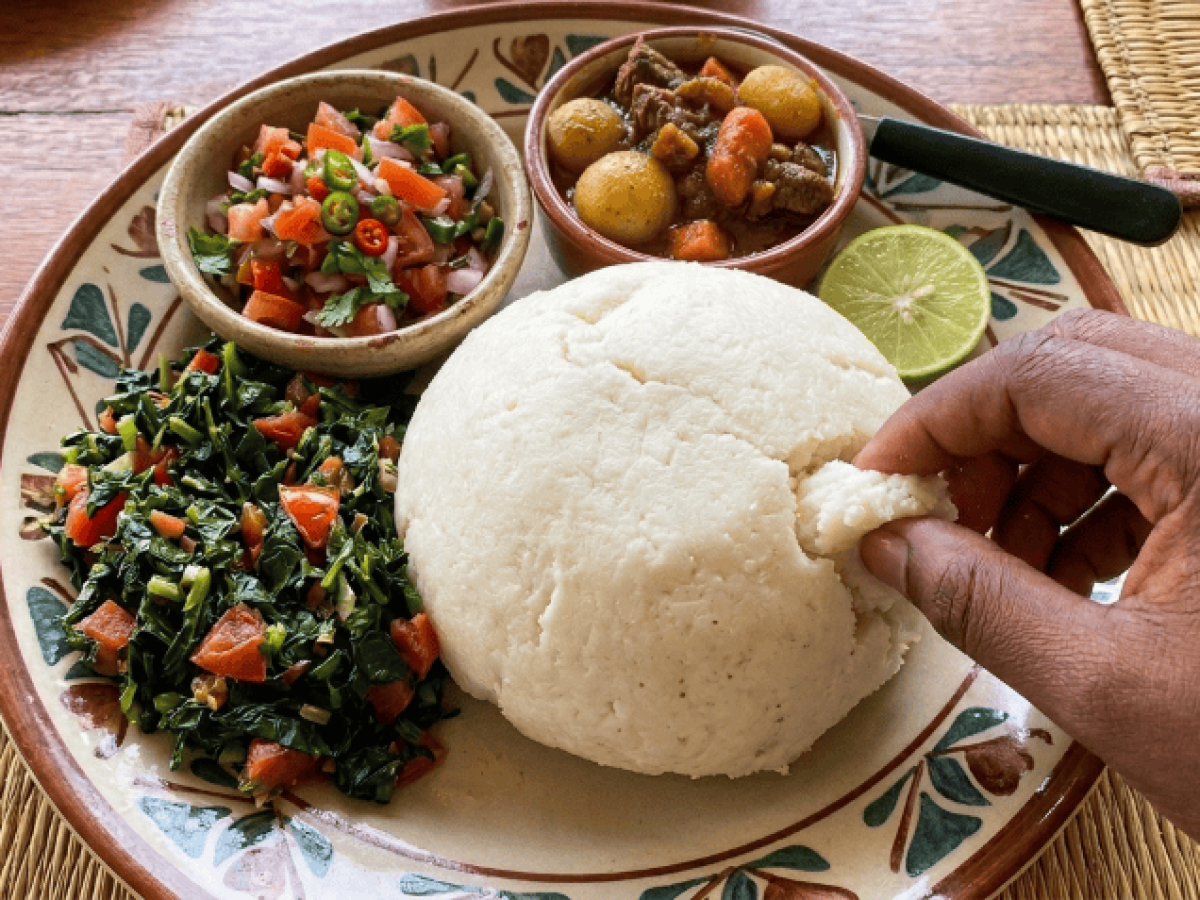
Ugali is more than just a filling meal! This popular East African staple, enjoyed in millions of homes across Kenya, Tanzania and Uganda, can provide energy, support healthy digestion and contribute to a balanced diet. Made mainly from maize flour and water, ugali is often served with vegetables, fish, meat or beans.
Although many people eat ugali every day without thinking much about its nutritional value, this traditional food has several benefits worth knowing. From supplying the body with energy to supporting digestive health, here are seven potential health benefits of ugali and why the way you prepare and serve it matters.
1. Ugali Provides Energy to Keep You Going Throughout the Day
One of the main health benefits of ugali is its ability to provide energy. Maize flour contains carbohydrates, which the body breaks down into glucose to fuel the brain, muscles and other essential functions.
For farmers, workers, athletes and anyone with a physically demanding daily routine, ugali can be a satisfying source of energy. Eating it alongside protein-rich foods and vegetables can also help create a more balanced meal.
This is one reason ugali has remained an important part of East African food culture for generations.
2. Whole-Maize Ugali Can Help Support Healthy Digestion
Did you know that the type of maize flour used to prepare ugali can affect its nutritional value?
Whole-maize flour generally contains more dietary fiber than refined maize flour. Fiber helps support normal bowel movements and can reduce the risk of constipation when consumed as part of a fiber-rich diet.
For people looking to improve their digestive health, choosing whole-grain maize flour and eating ugali with vegetables, beans or other fiber-rich foods can be a useful dietary choice.
3. Ugali Is Naturally Low in Fat
Another advantage of traditional ugali is that it contains very little fat when prepared using only maize flour and water.
This makes it a versatile base for meals, particularly when served with nutritious side dishes rather than excessive amounts of oil, fatty meat or rich sauces.
However, portion size still matters. Eating more calories than the body needs can contribute to weight gain, even when the food itself is naturally low in fat.
For a balanced plate, combine a moderate serving of ugali with vegetables and a suitable source of protein.
4. It Can Provide Important Minerals and B Vitamins
Maize contains several nutrients that help the body function properly, including magnesium, phosphorus and certain B vitamins. Depending on the maize variety, processing method and fortification, it may also provide iron and other micronutrients.
Magnesium supports normal muscle and nerve function, while B vitamins help the body convert food into usable energy.
The exact nutritional value of ugali varies according to the flour used. Whole-grain maize flour generally retains more of some nutrients than heavily refined flour, while fortified maize flour may provide additional vitamins and minerals.
5. Ugali Can Be Part of a Healthy Weight-Management Plan
If you are trying to manage your weight, you do not necessarily have to eliminate ugali from your diet.
The key is to pay attention to portion sizes, preparation methods and what you eat alongside it. Ugali can fit into a balanced eating plan when combined with vegetables, beans, fish or lean meat.
Vegetables and legumes can add fiber, while protein-rich foods can help you feel satisfied after a meal.
Rather than focusing on one food alone, consider your overall eating habits, physical activity and total calorie intake.
6. Pairing Ugali With Beans, Fish or Vegetables Improves Meal Balance
Ugali is often eaten with traditional dishes such as sukuma wiki, other leafy greens, beans, fish and meat. These combinations can make a substantial difference to the nutritional quality of a meal.
Beans provide plant-based protein and fiber. Fish supplies protein and, depending on the type, beneficial omega-3 fatty acids. Green vegetables contribute vitamins, minerals and additional fiber.
Because ugali is primarily a carbohydrate-rich food, combining it with these nutrient-rich accompaniments helps provide a wider range of nutrients than eating ugali alone.
A simple plate of ugali, beans and leafy greens can therefore be a practical way to build a balanced meal using familiar, affordable foods.
7. Ugali Preserves East African Food Culture and Family Traditions
The benefits of ugali go beyond nutrition. For many East African communities, it is a food deeply connected to family life, hospitality and cultural identity.
Preparing and sharing ugali can bring family members together around the table while preserving cooking traditions passed down through generations.
From Kenyan households serving ugali with sukuma wiki to Tanzanian meals featuring fish and Ugandan dishes accompanied by beans or vegetables, this staple continues to play an important role in everyday life.
Food is not only about nutrients; it can also be part of the traditions and social connections that make meals meaningful.
Is Ugali Healthy to Eat Every Day?
For many people, ugali can be included in a healthy diet, provided that portions are appropriate and meals contain a variety of other foods.
However, eating ugali alone does not provide all the nutrients the body needs. Its nutritional value depends on the type of maize flour used, the serving size and the foods eaten with it.
For a healthier everyday meal:
- Choose whole-maize flour when available and suitable.
- Serve ugali with leafy green vegetables.
- Include protein sources such as beans, fish, eggs or lean meat.
- Keep portions appropriate for your energy needs.
- Vary your meals to obtain a broad range of nutrients.
People managing blood sugar levels should also pay attention to portion sizes because ugali is rich in carbohydrates, which can raise blood glucose. Individual responses depend on the meal, preparation method and personal health circumstances.
The Bottom Line
Ugali is far more than a traditional East African staple. It provides energy, can contribute minerals and B vitamins, and can fit into a balanced diet when prepared thoughtfully and served with vegetables and protein-rich foods.
Its potential benefits depend on the type of maize flour, portion size and overall dietary pattern. Although ugali is not a miracle food, there is no need to dismiss it when planning nutritious meals.
The secret is not just eating ugali, but eating it wisely. Pairing this beloved staple with beans, fish, vegetables and other nutrient-rich foods can help turn a familiar traditional meal into a more balanced and satisfying part of everyday life.
Power Of Favor? (Silent, Spiritual, Dominant) You won't miss out on your desires with silent, spiritual and dominant power of favor against obstacles(spiritual and physical) Dominate and achieve with DOMINANT POWER OF FAVOR. DESIRES: in undertakings, business, profession, patronage, office work, occupation, etc POSITION: leadership position, financial position, attractive position, elevation, fame, power, etc. LOVE: reunion with lover, love matters, marriage, etc OTHER MATTERS: people/crowd, alternative healings, herbs, prevention/protection, etc For more on Dominant Power Of Favor, spiritual consultation, solutions, Call/ Whatsapp Dr. J.A. Faros on 07030514063. All power to God
