
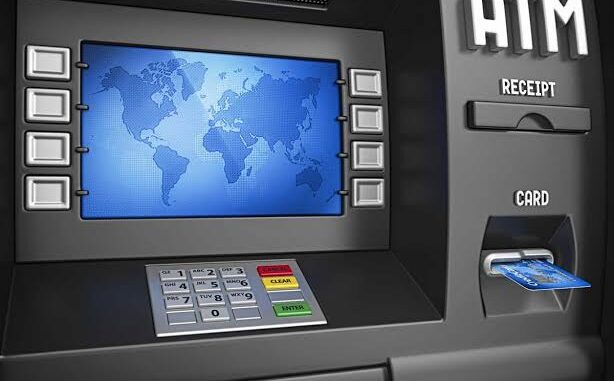
Imagine inserting your card into an ATM, completing the transaction, and seeing a message that your money has been debited—but no cash comes out. It can be frustrating, but there are important steps you should take immediately.....Read Full Details Here>>>
1. Don’t panic or leave immediately
Stay at the ATM for a few minutes and check whether the machine is still processing the transaction. Sometimes the cash dispenser may delay before releasing the money.
2. Check your account balance
Use your bank’s mobile app, USSD service, or another secure method to confirm whether your account was actually debited.
3. Keep your transaction details
Take note of the ATM location, date, time, amount involved, and transaction reference number. If the ATM prints a receipt, keep it.
4. Report the failed transaction immediately
Contact your bank through its official customer-care channels and report that the ATM did not dispense the cash. Give them all the transaction details so they can investigate.
5. If the ATM belongs to another bank
You should still contact your own bank first, especially if your card was issued by a different bank. Your bank can initiate the dispute and communicate with the ATM-owning bank when necessary.
6. Never accept help from strangers
If someone at the ATM claims they can “fix” the problem, don’t give them your PIN, OTP, card, or banking details. Scammers sometimes target people who experience ATM problems.
7. Don’t repeatedly attempt the transaction
If the machine has already failed once, making several more attempts could create additional complications or duplicate debits.
8. Monitor your account
Keep checking your account after reporting the issue. If the cash was not dispensed, the failed transaction may eventually be reversed, depending on the circumstances and your bank’s investigation.
Most importantly, don’t share your PIN or OTP with anyone—even if they claim to be a bank employee. Use only your bank’s official contact channels when reporting the problem.
Be the first to comment