

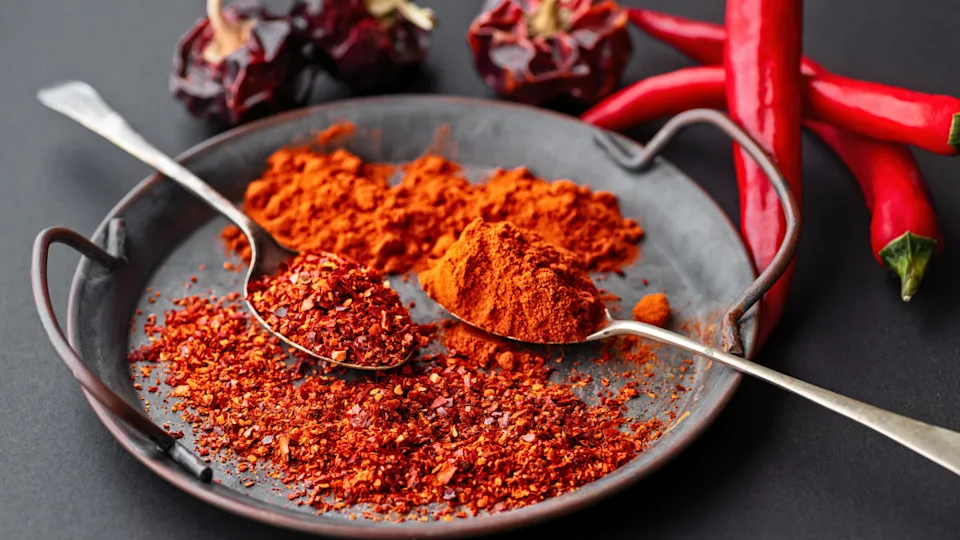
Have you ever wondered why your mouth feels like it’s on fire after eating hot pepper, why your face starts sweating, or why you sometimes feel a strange rush of excitement after a spicy meal?
There is more happening inside your body than you might think!
Chillies are not just ingredients that add fiery flavour to your favourite meals. They contain capsaicin, the natural compound responsible for their heat, which activates sensory nerves and triggers several fascinating responses throughout the body.
From temporarily increasing calorie burning to influencing pain perception and digestive activity, eating chillies can affect your body in surprising ways.
But are these effects actually beneficial to your health? And can eating too much pepper cause problems?
Here are 7 surprising things that happen to your body when you eat chillies.
1. Your Body May Burn More Calories
Did you know that eating hot pepper can temporarily increase the amount of energy your body uses?
Capsaicin activates heat-sensitive receptors, creating the burning sensation associated with spicy foods. It can also stimulate thermogenesis, the process through which your body produces heat.
This response may slightly increase energy expenditure for a short period after eating chillies.
Some research has also linked capsaicin consumption to modest effects on fat oxidation and appetite. However, these effects are generally small and should not be mistaken for a reliable weight-loss solution.
The takeaway: Chillies may provide a small metabolic boost, but maintaining a healthy weight still depends largely on your overall diet, physical activity and lifestyle.
2. Your Brain Responds to the Heat
Why do some people feel excited, energised or even happy after eating extremely spicy food?
The answer lies partly in how your nervous system responds to capsaicin.
Capsaicin activates TRPV1 receptors, which normally respond to heat and certain painful stimuli. Your brain interprets this activity as a burning sensation, even though the food may not be physically hot.
This intense sensation can trigger the release of signalling chemicals involved in pain regulation. The experience of eating spicy food may also produce excitement or pleasure in some people.
That is one reason some chilli lovers deliberately seek out increasingly spicy meals.
The takeaway: The burning sensation is a real neurological response—not a sign that your tongue is literally burning.
3. Your Heart Health May Benefit in Some Ways
Could adding pepper to your meals support your heart?
Researchers have investigated capsaicin and other chilli compounds for their potential effects on blood vessels, inflammation, cholesterol and blood pressure.
Some observational studies have associated chilli consumption with favourable health outcomes. However, these findings do not prove that eating chillies directly prevents heart disease, and research on specific cardiovascular benefits remains ongoing.
Chillies also contain nutrients and plant compounds, including vitamin C and carotenoids, although the amounts depend on the variety and serving size.
The takeaway: Chillies can be part of a balanced, heart-conscious diet, but they are not a substitute for prescribed medication, exercise or other proven measures to protect cardiovascular health.
4. Your Digestive System Springs Into Action
Eating chillies can trigger an immediate response in your mouth and digestive tract.
The intense flavour may stimulate salivation, while capsaicin interacts with sensory receptors throughout the gastrointestinal system. Your digestive response can vary depending on the amount consumed and your individual sensitivity.
For some people, moderate amounts of chilli are perfectly comfortable. For others, particularly those prone to acid reflux or irritable bowel symptoms, spicy meals may trigger discomfort, abdominal pain or diarrhoea.
It is also important to know that the burning sensation after eating chilli does not necessarily mean your stomach lining is being damaged.
The takeaway: Your tolerance matters. If pepper regularly causes digestive discomfort, reducing the amount you eat may help.
5. Your Appetite May Temporarily Change
Ever noticed that a spicy meal sometimes leaves you feeling satisfied sooner than expected?
Capsaicin has been studied for its potential effects on appetite, food intake and energy expenditure. Some research suggests it may temporarily influence hunger and fullness, although results vary between individuals.
However, eating chillies alone will not automatically reduce your calorie intake or lead to significant weight loss.
The overall composition of your meal, portion size, eating habits and activity level remain important factors.
The takeaway: Pepper may influence appetite in subtle ways, but it is not a magic ingredient for controlling hunger.
6. Your Body May Start Sweating
If your forehead gets sweaty or your nose starts running after eating pepper, there is a scientific explanation.
Capsaicin activates sensory receptors that signal heat and irritation. Your nervous system may respond by increasing sweating, producing a runny nose or causing your face to appear flushed.
This response is often called gustatory sweating when sweating occurs in response to eating.
Interestingly, your body can react this way even when your meal is served cold. The trigger is the chemical sensation created by capsaicin, rather than necessarily an increase in your actual body temperature.
The takeaway: Sweating after eating spicy food is a normal response for many people, although unusually severe or persistent symptoms may warrant medical advice.
7. Too Much Pepper Can Trigger Heartburn and Discomfort
Although chillies have several interesting biological effects, eating more is not always better.
Large amounts of capsaicin can produce intense burning sensations in the mouth and digestive tract. Some people may experience heartburn, stomach discomfort, nausea or diarrhoea after particularly spicy meals.
People with acid reflux or other digestive sensitivities may find that chilli-containing foods worsen their symptoms.
If you accidentally eat something excessively spicy, drinking water may not provide much relief because capsaicin does not dissolve well in water. Milk or another dairy product may help ease the burning sensation for some people.
The takeaway: Enjoy chillies according to your tolerance, and reduce your intake if they repeatedly trigger uncomfortable symptoms.
Is Eating Chillies Every Day Good for You?
For many healthy adults, eating moderate amounts of chilli as part of a balanced diet is generally safe.
Chillies can add flavour to meals and contribute vitamins and beneficial plant compounds. Capsaicin also has measurable effects on sensory receptors, which explains many of the immediate sensations people experience after eating pepper.
However, the health effects depend on the type of chilli, the amount consumed, your overall diet and your individual tolerance.
You do not need to eat extremely hot peppers to benefit from the flavour and nutritional variety they provide.
If spicy food consistently causes heartburn, abdominal pain or diarrhoea, consider cutting back and seeking medical advice if symptoms persist.
Final Thoughts: Your Favourite Pepper Does More Than Add Heat!
The next time you add chilli to your soup, stew, noodles or favourite meal, remember that its fiery kick triggers a complex response involving your sensory nerves, nervous system and digestive tract.
From temporarily influencing calorie burning to making you sweat and changing how you perceive pain, chillies can have several surprising effects on your body.
Still, moderation is key. Chillies can complement a healthy lifestyle, but no single food can replace a balanced diet and proven health habits.
Frequently Asked Questions (FAQs)
1. What happens to your body immediately after eating chillies?
Capsaicin activates heat-sensitive receptors, producing a burning sensation. You may also experience sweating, facial flushing, increased salivation or a runny nose.
2. Can eating chillies help you lose weight?
Capsaicin may temporarily increase energy expenditure and influence appetite, but the effects are generally modest. Chillies alone are unlikely to cause significant weight loss.
3. Are chillies good for the heart?
Chillies contain plant compounds that researchers are studying for possible cardiovascular benefits. However, current evidence does not establish that eating chilli alone prevents heart disease.
4. Can eating too much pepper damage your stomach?
Excessive chilli consumption can cause significant discomfort and aggravate symptoms in susceptible people. Persistent pain, vomiting or other concerning symptoms should not be ignored.
5. Is it safe to eat chillies every day?
Many people can safely eat moderate amounts daily. The appropriate amount depends on individual tolerance and whether chilli triggers digestive symptoms.
6. Does chilli pepper boost metabolism?
Capsaicin can temporarily increase thermogenesis and energy expenditure, but the effect is usually small.
7. Why does eating pepper make you sweat?
Capsaicin stimulates sensory receptors that trigger a heat-response signal in your nervous system, which can cause sweating even when your food is not physically hot.
Power Of Favor? (Silent, Spiritual, Dominant) You won't miss out on your desires with silent, spiritual and dominant power of favor against obstacles(spiritual and physical) Dominate and achieve with DOMINANT POWER OF FAVOR. DESIRES: in undertakings, business, profession, patronage, office work, occupation, etc POSITION: leadership position, financial position, attractive position, elevation, fame, power, etc. LOVE: reunion with lover, love matters, marriage, etc OTHER MATTERS: people/crowd, alternative healings, herbs, prevention/protection, etc For more on Dominant Power Of Favor, spiritual consultation, solutions, Call/ Whatsapp Dr. J.A. Faros on 07030514063. All power to God
